

Similar Posts
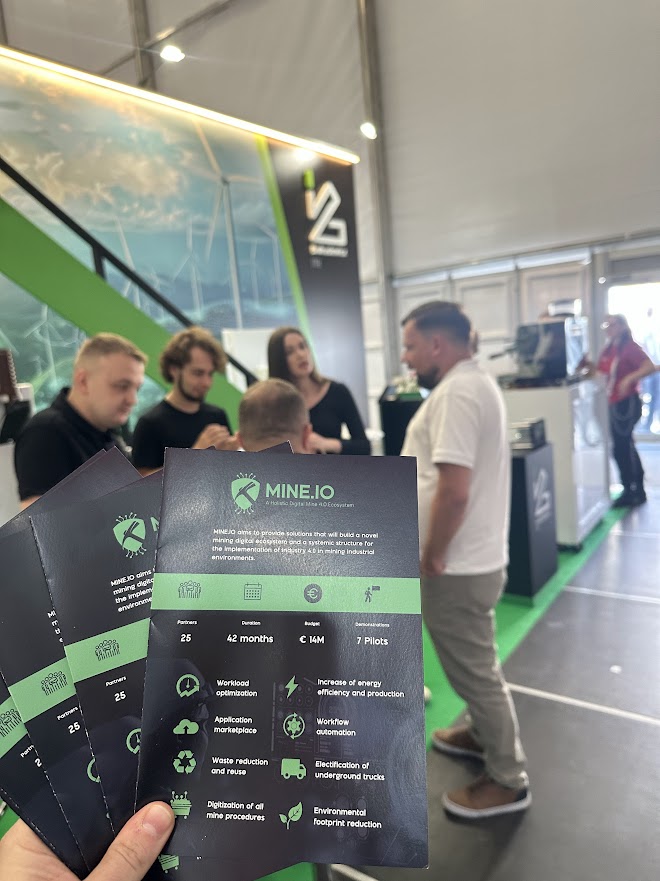
Łukasiewicz-ITR at ENERGETAB 2025 – shaping the future of mining and energy
On 16–18 September 2025, the city of Bielsko-Biała hosted the 38th edition of ENERGETAB – the International Power Industry Fair, the largest and most important energy trade fair in Poland, bringing together hundreds of exhibitors and thousands of visitors from across…
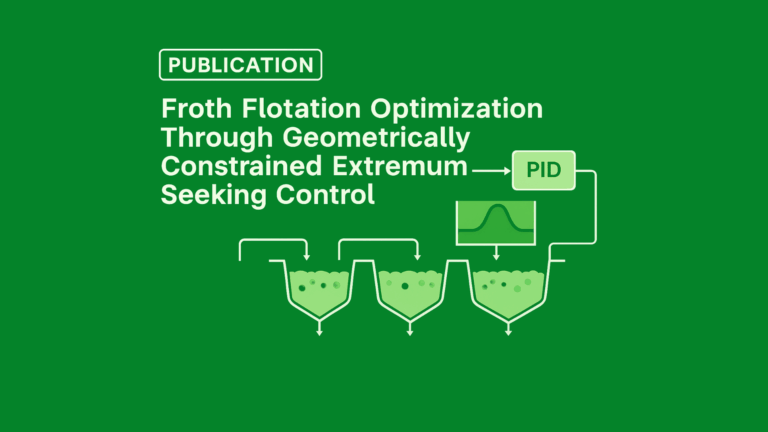
Optimization of Froth Flotation using Geometrically Constrained Extremum Seeking Control
Abstract: This paper outlines the application of geometrically constrained extremum-seeking control (ESC) to optimize froth flotation circuits. Froth flotation is a complex process, presenting challenges for model-based optimization. Furthermore, the process depends on stable operations for performance, with PID control often…
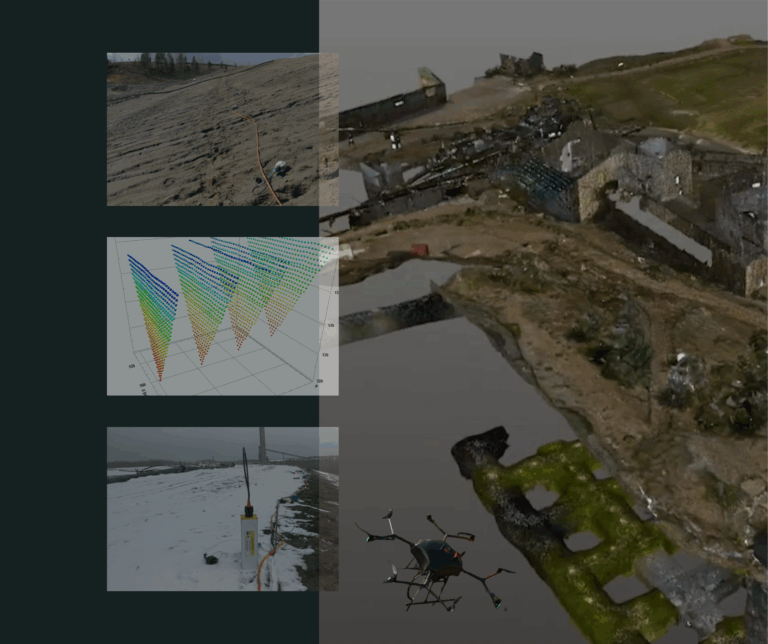
Environment & Waste Management in Mining: From Monitoring to Digital Integration
The growing importance of environmental protection and sustainable resource management has placed increasing pressure on the mining sector to adopt advanced technological solutions. This article focuses on the “MINE.IO Final Event Workshop – Demonstration III: Environment & Waste Management” session, illustrating…
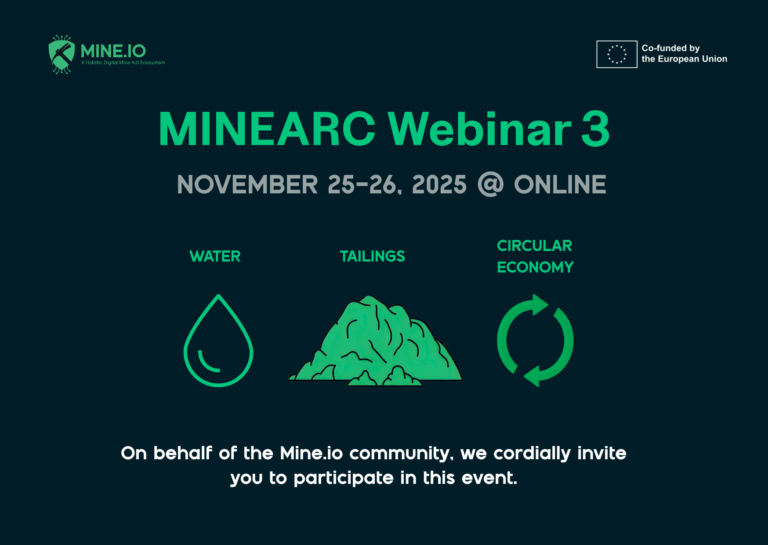
MINE.IO co-organizes MINEARC Webinar 3 on Water, Tailings, and Circular Economy
We are excited to announce that MINE.IO is co-organizing the upcoming MINEARC Webinar 3, taking place online on November 25–26, 2025. This event, funded by the U.S. Department of State / Bureau of Energy Resources, is a joint effort with Horizon…
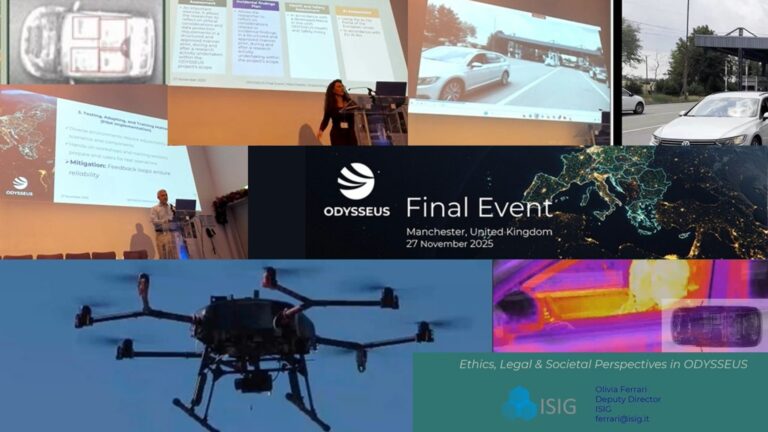
Technological Synergy Beyond Borders: Mine.io Participated in the ODYSSEUS Project Final Event
On November 26–27, 2025, representatives of the Mine.io project participated online in the ODYSSEUS Final Event & Demonstrations. The hybrid event, hosted by Rapiscan Systems in Stoke-on-Trent and Manchester, United Kingdom, marked the culmination of years of research and development within…
MINE.IO at the Muographers 2023: International workshop on Muography
Our partner, Winger Research Centre for Physic, took part in the International Workshop on Muography The “Muographers 2023: International workshop on Muography” event took place in Naples, between 19-22 June. This yearly gathering of the recently established “muography” research field is the…