Sustainable Mining Practices in the Future
From Demonstration to Market Perspectives
MINE.IO Final Event Workshop
About the Final Event Workshop
The MINE.IO Final Event marks the culmination of three years of collaborative research, development, and pilot‑scale validation carried out by a European consortium of industry, research organisations, and universities.
The event will bring together project partners, stakeholders, and the wider mining and raw materials community to present the key outcomes of the MINE.IO project and to demonstrate how its solutions contribute to safer, more autonomous, and more sustainable mining operations.
During the event, participants will gain insight into the developed technologies, results from the six pilot sites, and the broader vision of the Holistic Digital Mine 4.0 Ecosystem. The programme will combine technical presentations, demonstrations, and discussion sessions, offering a comprehensive overview of the project’s achievements and future potential.
There are two ways to participate in the event. On-site in Turin or remotely via online access (Zoom platform). The number of places in the on-site model is limited.
Date: 7th May 2026
Time: 9 a.m. – 3 p.m.
Location: Politecnico di Torino Via Paolo Borsellino 38/16, Turin
Registration for the event is open to all interested participants.
We look forward to your participation in shaping the future of sustainable mining!
Registration is closed. Go to the final event summary
The agenda and additional informations about the event will be available soon. We will keep you informed about it on our social media! Don’t miss out – visit our social media and our website regularly.
Agenda
We warmly invite you to join us for coffee and registration, providing an opportunity for informal conversations and preparation for the upcoming sessions of the event.
A high-level overview of the project’s ambition to build a holistic, sustainable Digital Mine 4.0 ecosystem
Focus Area: Mine.io platform
Key Topics:
- Big data platform
- Integration
Highlights: Mine.io platform as a digital backbone enabling interoperability across mining operations and sites
Session Description
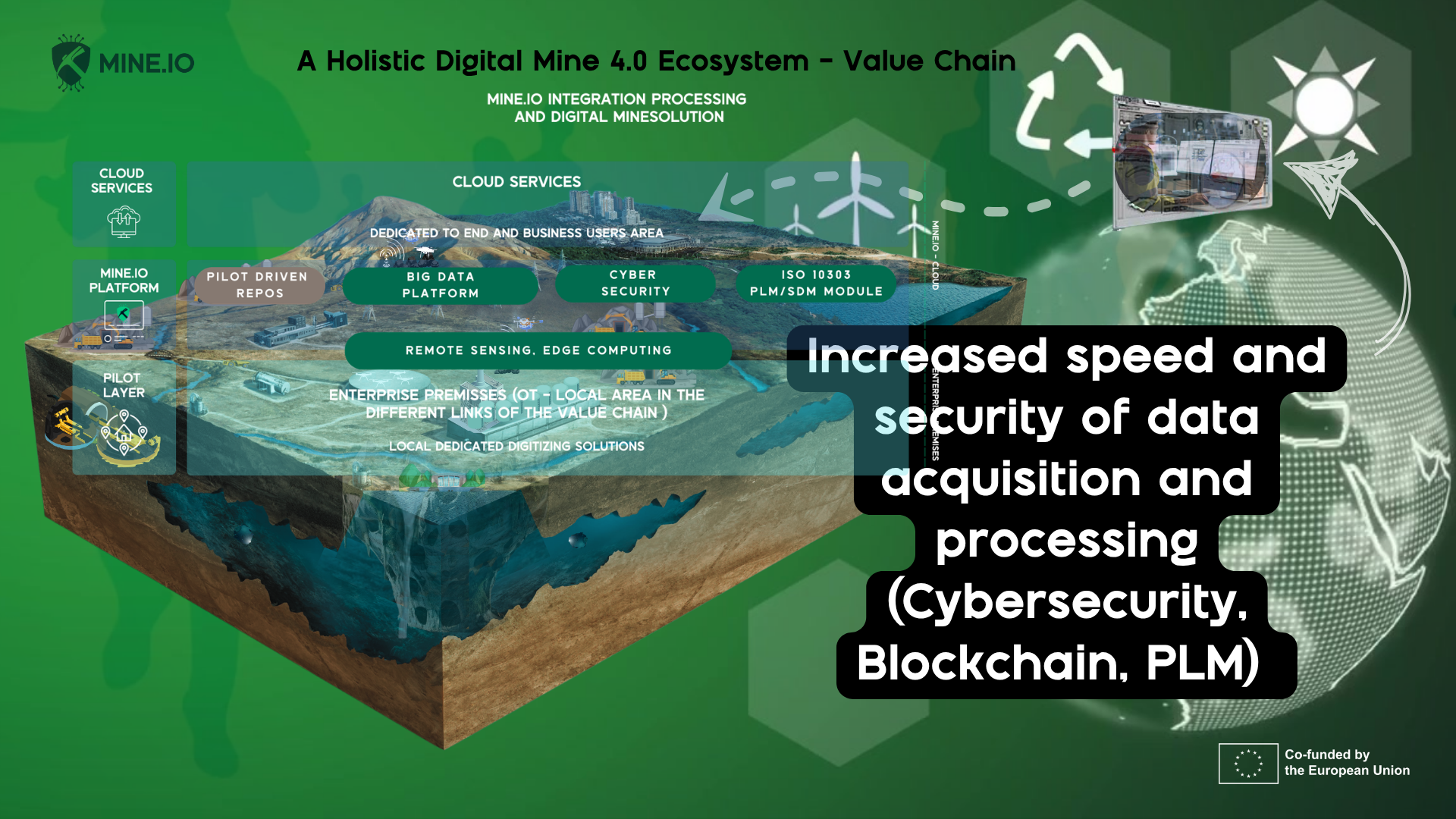
The Mine.io Architecture and Digital Framework for the Digital Mine highlights how the Mine.io Big Data Platform and its digital infrastructure operate as a secure digital backbone enabling interoperability across mining operations and geographically distributed sites. At the core of the framework lies the Big Data Platform, enabling the retrieval, management, and exploitation of large volumes of heterogeneous mining data originating from diverse equipment, sensors, and operational systems across multiple mine sites.
The architecture integrates edge computing capabilities for real-time data acquisition and pre-processing at the mine site with cloud-based Big Data services for scalable storage, analytics, and decision support. Through distributed data storage, scalable connectors, and centralized asset cataloguing, the platform provides a robust environment for retrieving, managing, and sharing mining data. Its expandable and scalable architecture, following an incremental integration approach, enables new pilots, systems, and data streams to be integrated through lightweight connectors, while, on the one hand the asset cataloguing enhances data indexing and discoverability, and on the other hand Open APIs ensure accessible data sharing with external cloud services and applications.
Ultimately, the interoperability aspects are reinforced through the ISO 10303 integration via the PLM module, while clearly defined data and metadata models support FAIR data principles and reusability. Combined with a security-by-design approach, the Mine.io Digital Infrastructure accelerates the mining digital transformation, improves operational efficiency, and enables sustainability monitoring across the mining value chain.
Benefits and Impacts: The Mine.io Architecture & Digital Framework for the Digital Mine highlights how the Mine.io platform serves as a digital backbone for interoperable mining operations. Through distributed storage, scalable connectors, and REST APIs, it integrates edge data and manages it in the cloud. Its expandable, incremental architecture, combined with asset cataloguing, Open APIs, and ISO 10303 integration, enhances data discoverability, sharing, interoperability, and reuse, supporting more efficient and sustainable mining operations.
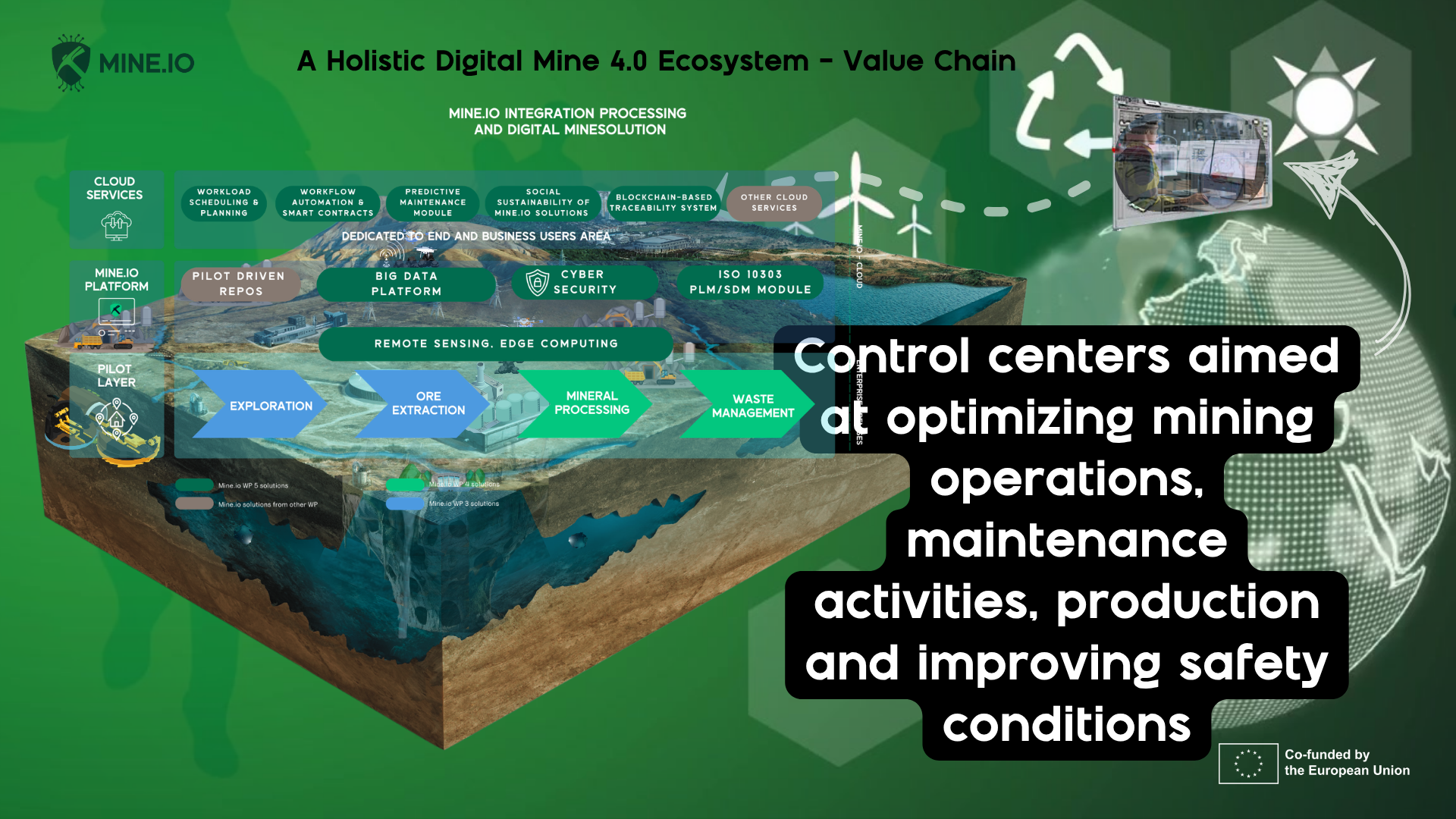
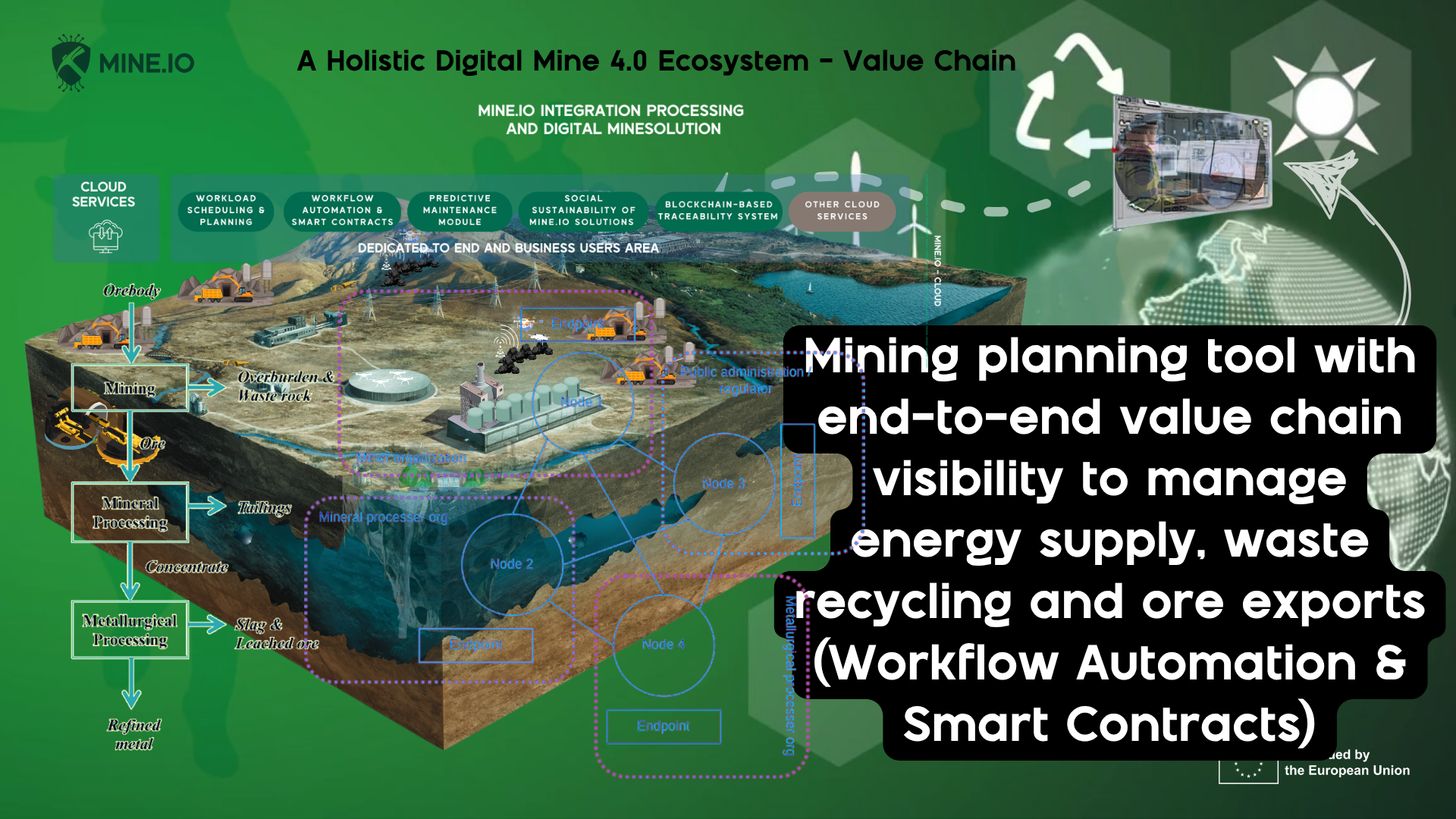
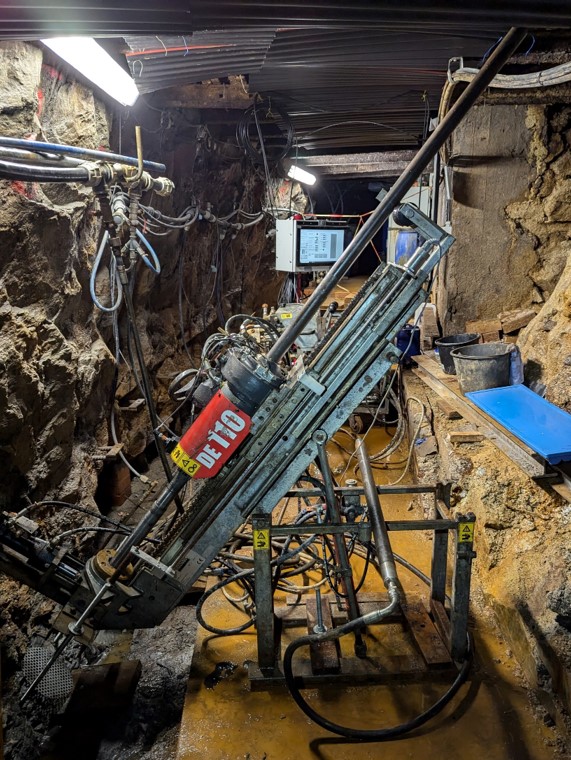
Facus Area: Smart & Automated Operations. Digitalization and advanced AI, turning equipment into smart systems through AI tools and techniques.
Key Topics:
- Measurement while drilling
- Predictive maintenance
- Digital twin smelting & ventilation
- Workflow automation
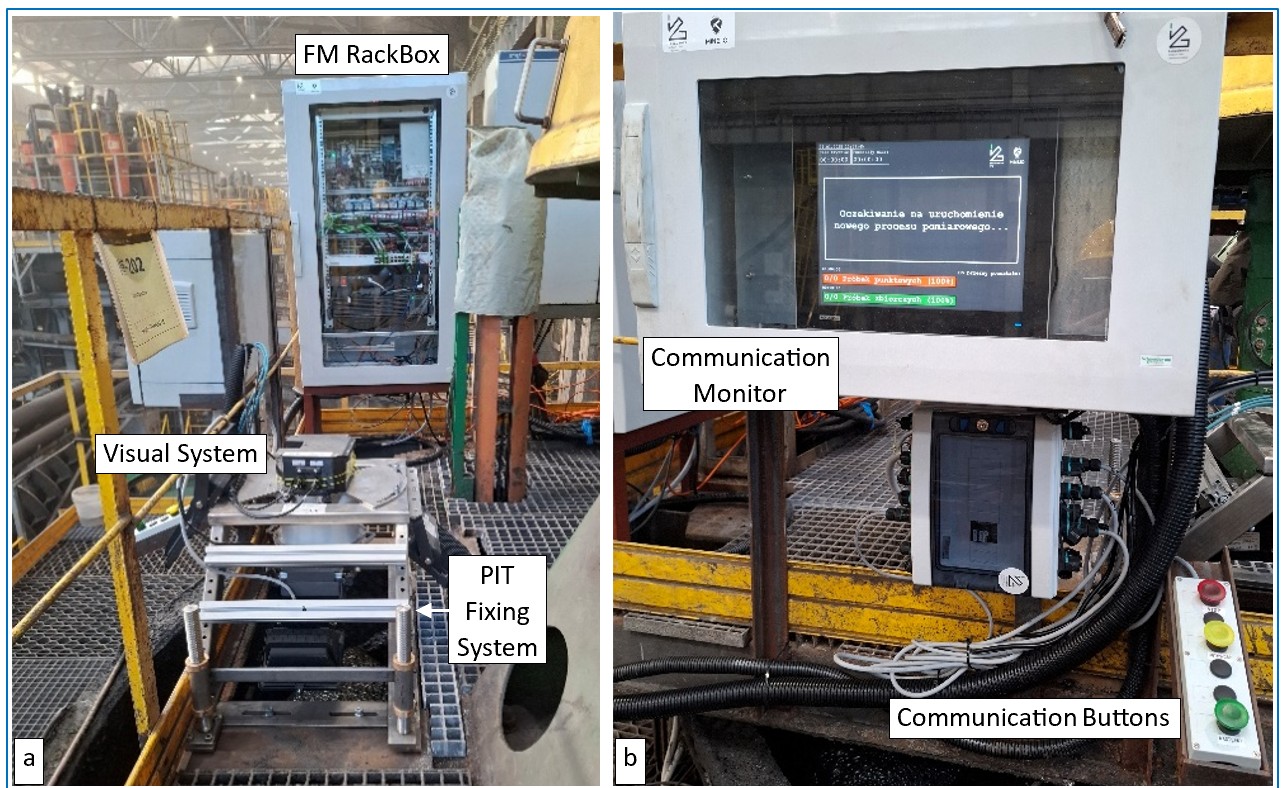
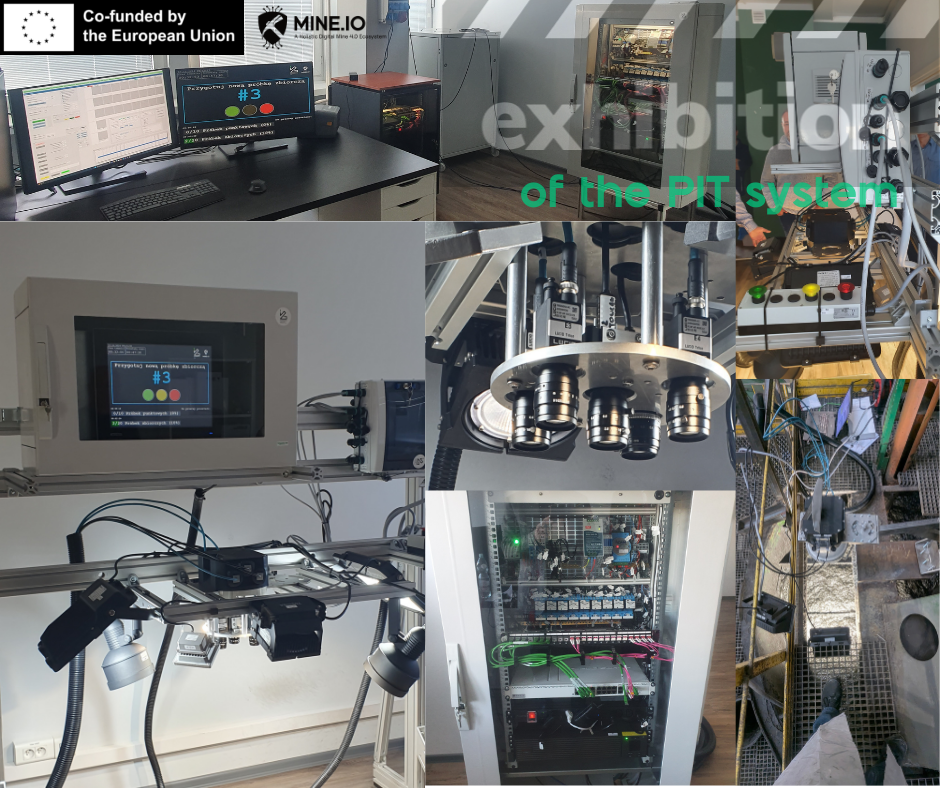
- PIT-system and AI in flotation
- X-ray drill core analysis
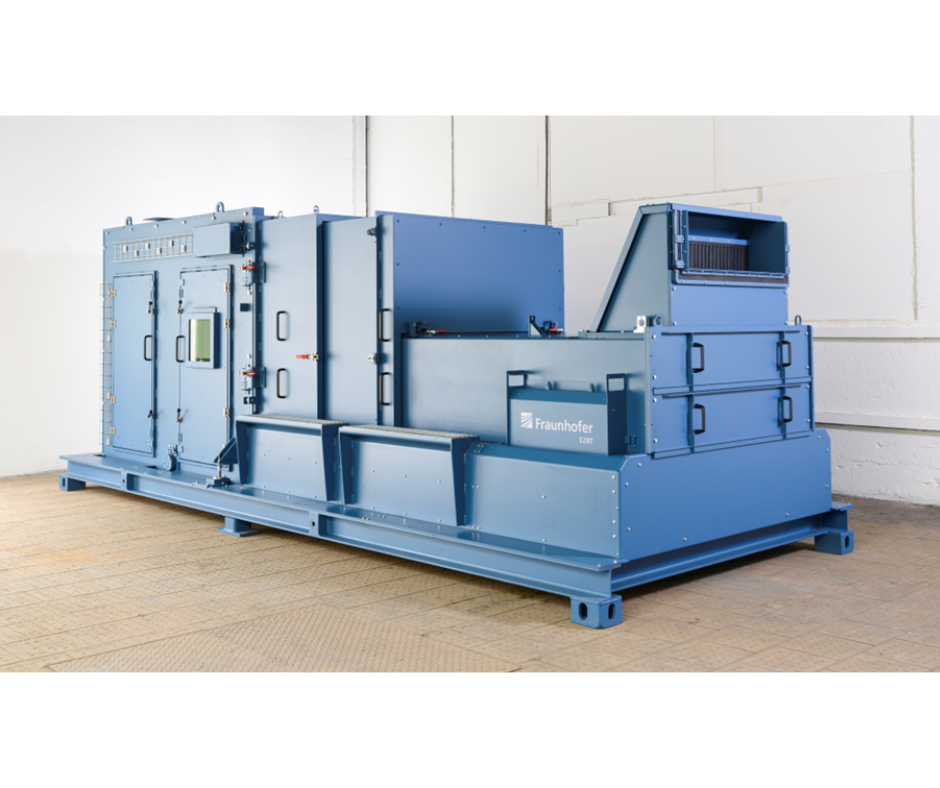
- X-ray ore sorting
Pilots: Freiberg (Germany), Polkowice (Poland)
Highlights: Improve operation efficiency, Energy savings, Real-time decision support
Session Description – From Exploration to Smelting
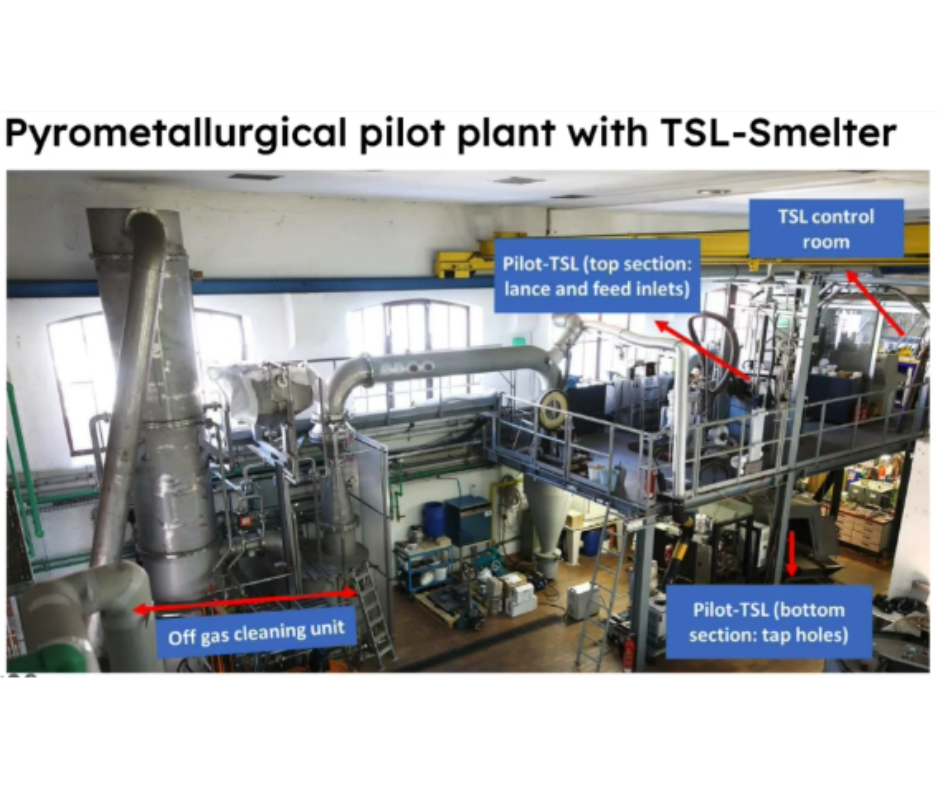
Discover how AI, machine learning, and digital twins are revolutionizing the entire mining value chain—from exploration and core analysis to flotation and smelting—turning traditional processes into intelligent, data-driven systems. During exploration, AI-powered Measurement While Drilling (MWD) and predictive maintenance enhance drill rig efficiency, enabling smarter, faster, and more reliable resource identification. Analysis of drill cores using X-ray scattering (SAXS/WAXS) and X-ray computed tomography (CT) provides accurate laboratory calibration, unlocking advanced material characterization capabilities. In the concentration phase, the PIT-System, an AI-driven flotation monitoring solution, continuously analyses copper content in flotation froth using real-time images and process parameters. This session highlights key challenges, computational methods, and the industrial potential of automated flotation control. Finally, innovative sensor technology and digital furnace control systems optimize smelting and refining processes. Real-time monitoring combined with process models enables enhanced efficiency, quality control, and process optimization across metallurgical operations.
Join us to explore how smart automation, AI, and digital transformation are shaping the future of mining and metallurgy.
Benefits and Impacts: The use of AI, digital twins, X-ray technology, workflow automation and predictive maintenance leads to improved operational efficiency, energy savings, and real-time decision support, while also extending asset lifetimes, reducing downtime, and lowering long-term operational costs. By demonstrating AI-driven optimisation in real industrial settings, Mine.io provides a scalable pathway for transforming mining processes into intelligent and resilient systems beyond the project lifetime.
A chance to relax, network, and recharge, providing an informal setting for continued conversations and connections.
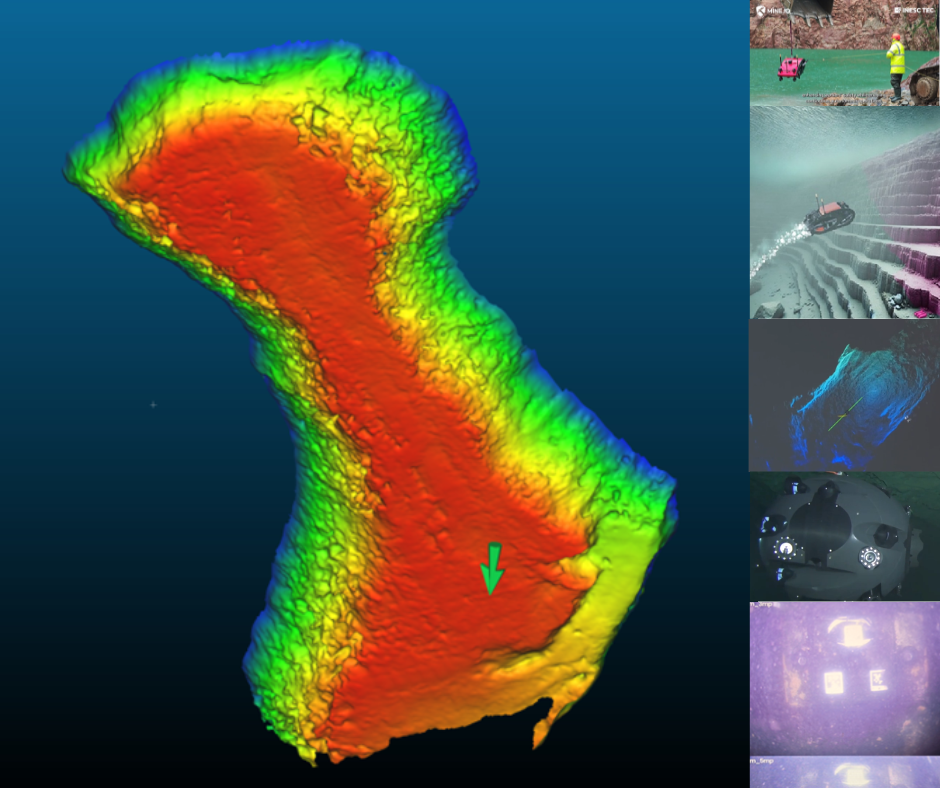
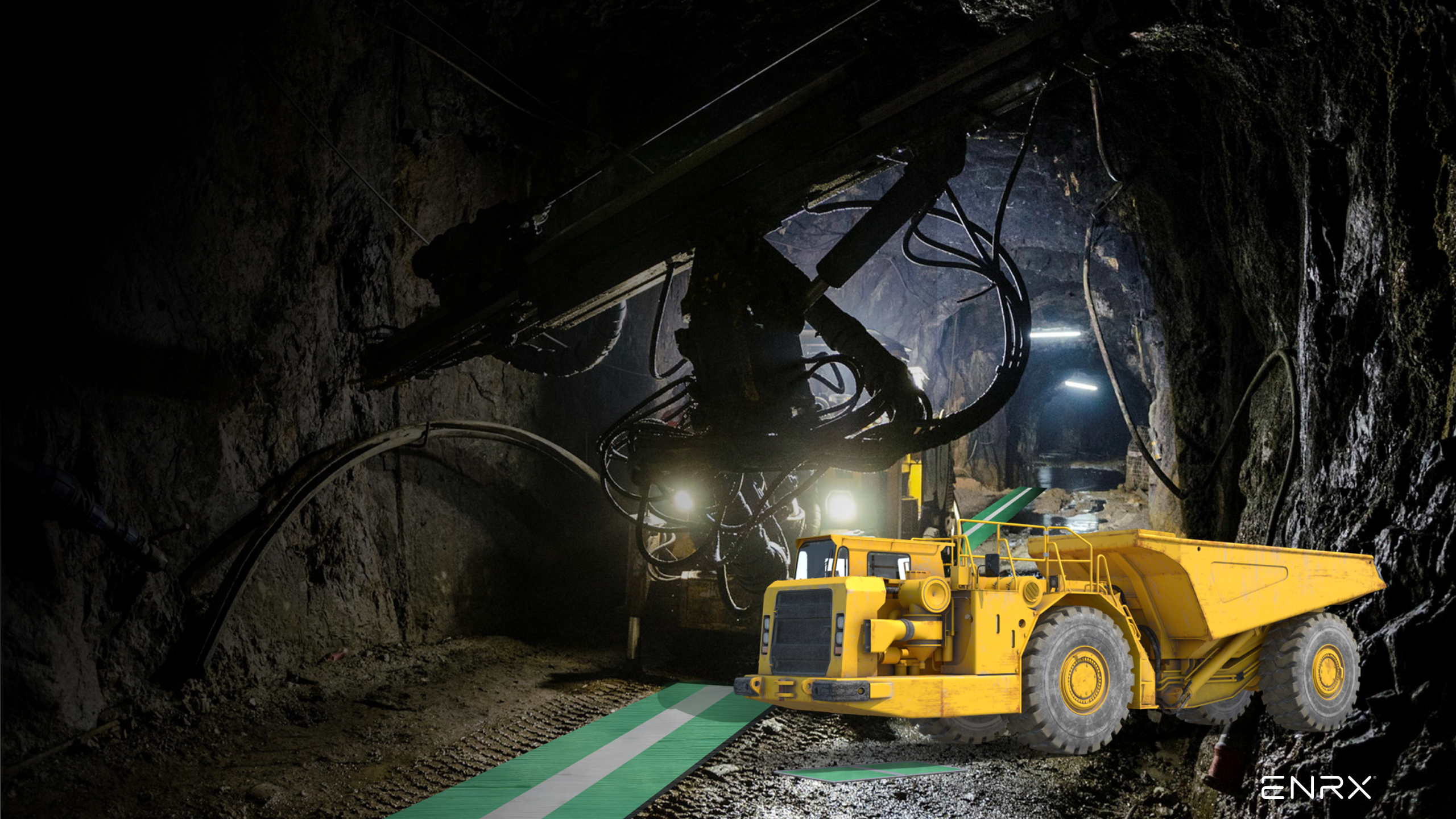
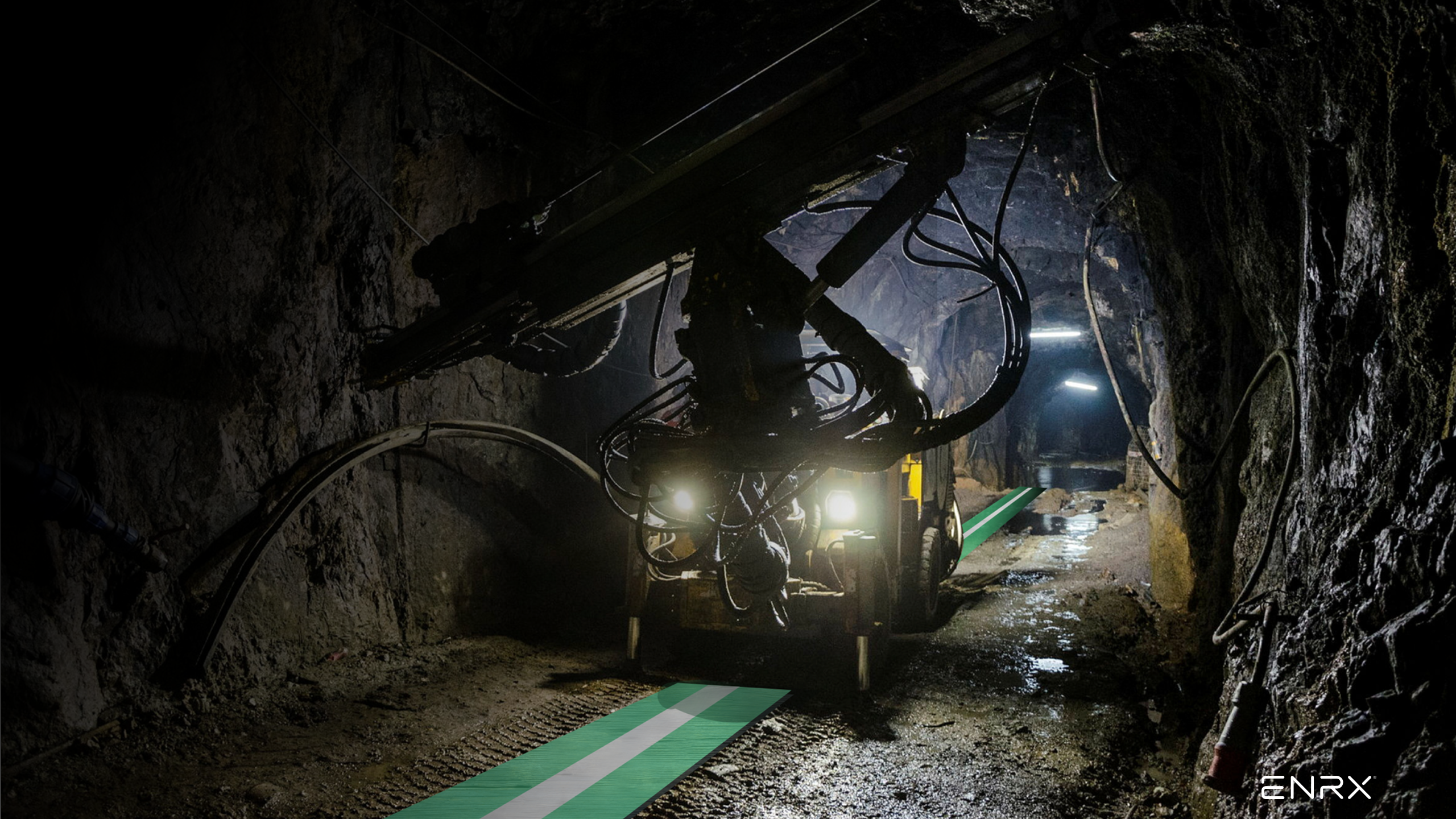
Facus Area: Autonomous & Electrified Operations. Highlights Future Mobility, demonstrating how electrification and robotics reduce the CO2 footprint and eliminate human risk in inaccessible areas
Key Topics:
- Wireless charging
- Autonomous vehicles
- Workload planning
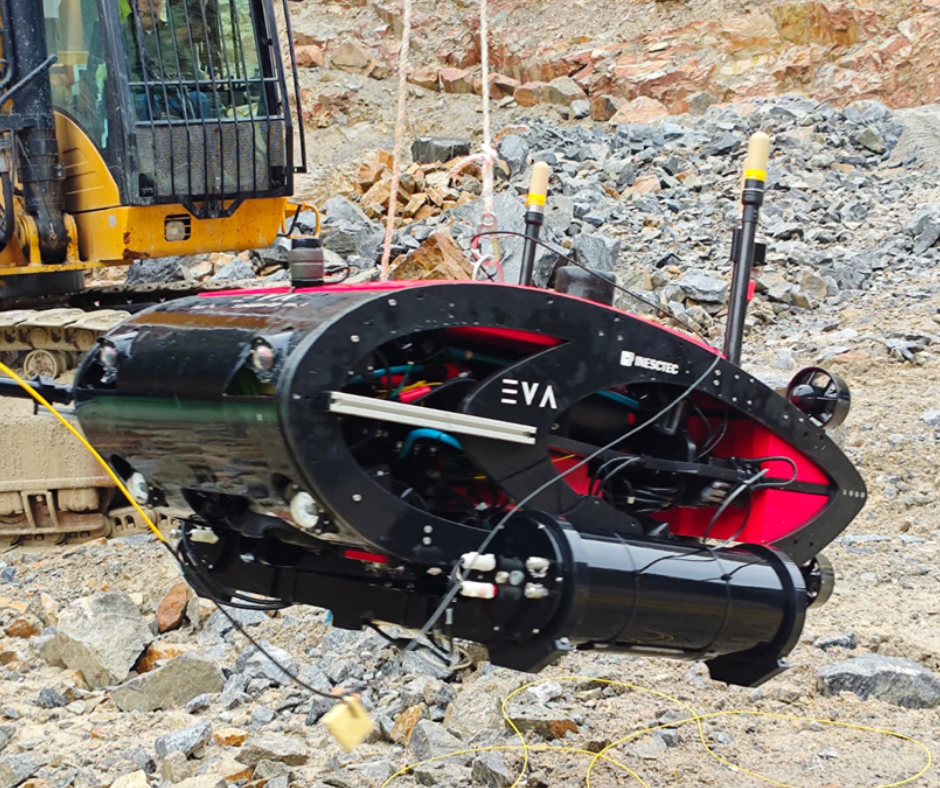
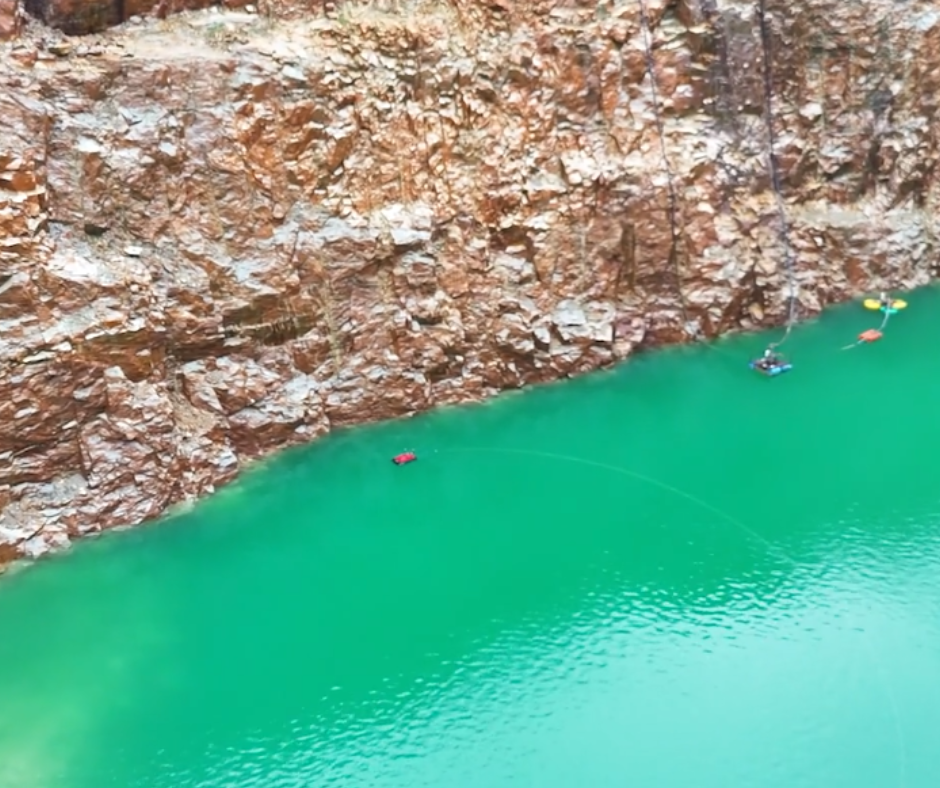
- Underwater robots
- Muon technologies
Pilots: Björkdal gold mine (Sweden), Malaposta open pit site – Urgeiriça mine, (Portugal)
Highlights: CO₂ reduction, Efficient production, Exploration efficency, Safety improvements, Access to inaccessible flooded mines
Session Description
This session explores how the integration of electrification, autonomous systems, and advanced robotics is transforming mining operations to achieve safer, cleaner, and more efficient workflows. As mining environments become increasingly complex, deeper, and in many cases inaccessible, innovative technological approaches are required to ensure operational continuity while reducing environmental impact and improving worker safety.
In this context, the session presents how wireless power transfer solutions, autonomous and remotely operated vehicles, underwater robotics, and muon-based sensing technologies can be combined within a unified digital ecosystem. These technologies are supported by real-time data acquisition and analytics, enabling continuous monitoring, precise navigation, and adaptive decision-making in both active and legacy mining environments, including flooded or hazardous sites that are difficult or unsafe for human access.
By combining these innovations, mining operations can enhance safety, optimize performance, and move towards more sustainable and resilient practices. The session also presents their application within the Mine.io project, highlighting their potential for scalable deployment across diverse mining contexts.
Benefits and Impacts: The integration of electrified autonomus systems and robotics enables CO₂ reduction, more efficient production, and improved exploration efficiency while significantly enhancing operational safety. By enabling access to hazardous and inaccessible flooded mines through remote and autonomous systems, these technologies reduce human risk, lower environmental impact, and open new opportunities for assessing and reusing legacy mining sites, supporting scalable and resilient digital mining beyond the project lifetime.
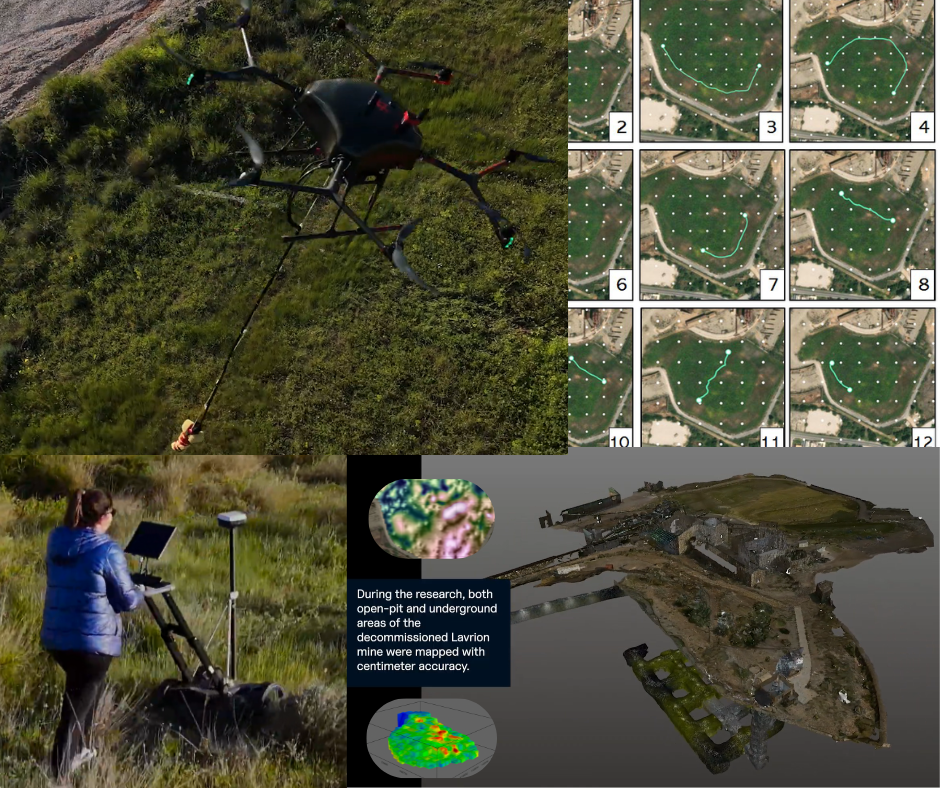
Facus Area: Environment & Waste Management. Emphasizes the circular economy, where digital solutions are used to monitor environmental impacts and risks, and also to identify opportunities for the re-utilisation of mining waste as valuable resources.
Key Topics:
- Environmental monitoring
- Tailing dam safety
- UAV & electromagnetic sensing
- Block-chain tracebility
Pilots: Lavrion Ancient Silver Mines (Greece), Pyhäsalmi Mine – North Ostrobothnia (Finland)
Highlights: Responsible waste management, Risk prediction and prevention, 3D mapping, Circularity and material tracebility
Session Description
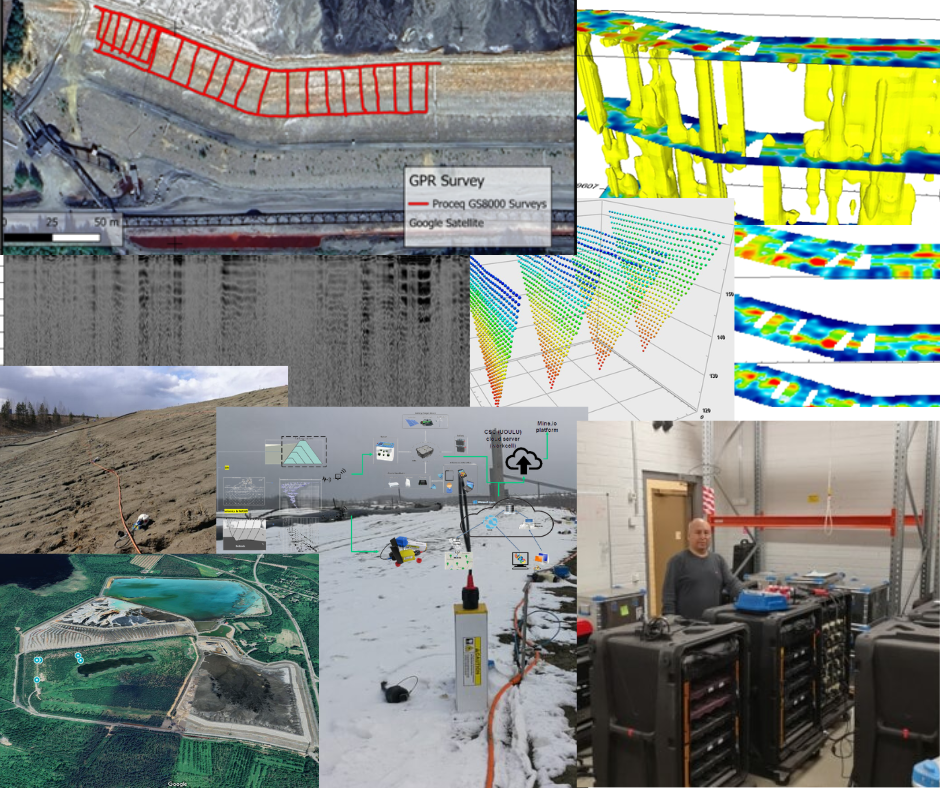
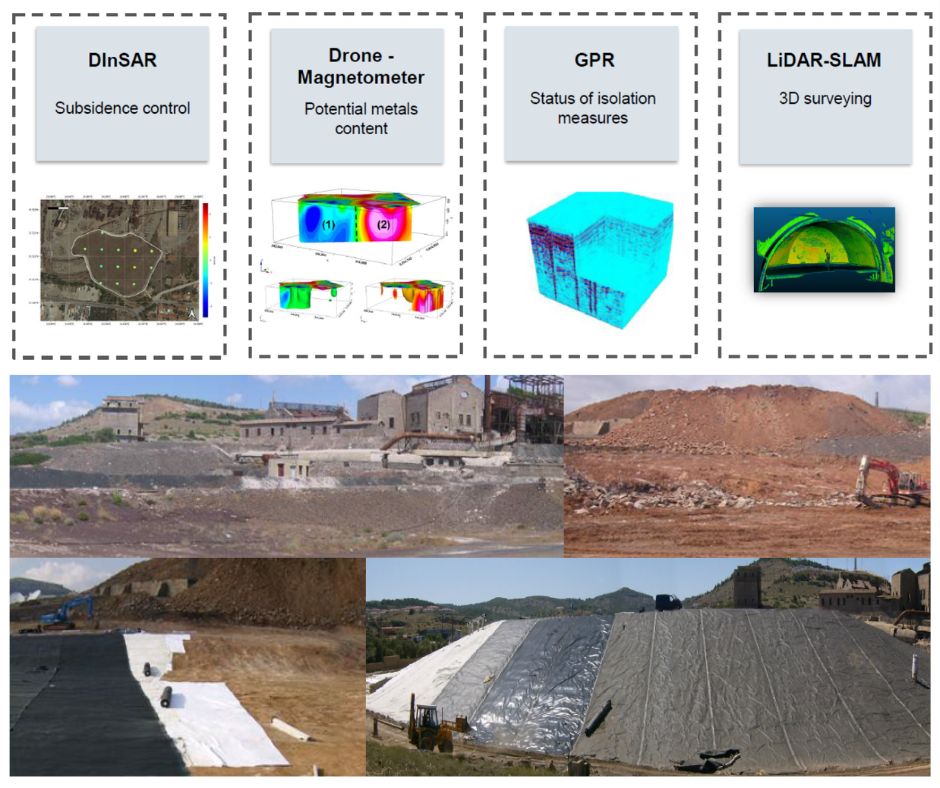
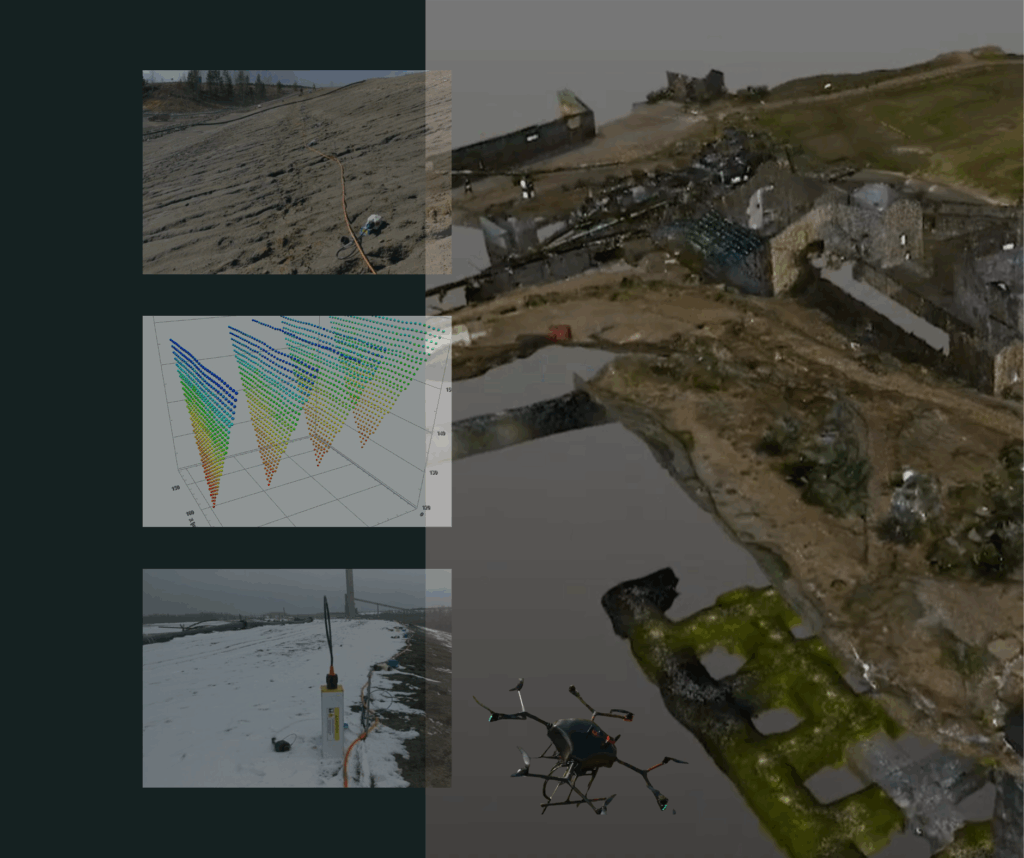
Environmental risk management and the monitoring of mining environments are essential to ensure the safety, sustainability, and long-term viability of mining activities. In this context, addressing current environmental challenges requires the integration of advanced approaches capable of improving risk assessment, supporting preventive actions, and enabling more efficient management of mining waste. This session focuses on the analysis of these challenges and on the application of advanced solutions and advanced technologies in Pilots 3 and 4 of the Mine.io project, namely the Lavrion Ancient Silver Mines (Attica Region, Greece) and the Pyhäsalmi Mine (Oulu, Finland). It explores how the integration of geophysical prospecting technologies, geotechnologies, and traceability tools enhances environmental monitoring, improves the understanding of site conditions, and supports more effective risk prediction and prevention strategies.
The proposed approach is aligned with circular economy principles, where digital solutions are used not only to monitor environmental impacts and risks, but also to identify opportunities for the re-utilisation of mining waste as secondary raw materials. Advanced monitoring techniques enable responsible waste management, facilitate high-resolution 3D mapping of environmental and waste-related assets, and provide a dynamic and detailed representation of site evolution.
Particular attention is given to the results obtained in the pilot sites and their contribution to future management strategies, including the assessment of exploitation potential, the reinforcement of safety measures related to mining infrastructures, and the improvement of waste management practices through enhanced control and traceability. By supporting circularity and material traceability, these technological developments increase transparency and data reliability, strengthen regulatory compliance, and provide a scalable framework for sustainable environmental management beyond the project lifetime.
Benefits and Impacts: The use of advanced digital monitoring enables responsible waste management, risk prediction and prevention, and high-resolution 3D mapping of environmental and waste-related assets. By supporting circularity and material traceability, these technologies improve transparency, strengthen regulatory compliance, and provide a scalable framework for sustainable environmental management beyond the project lifetime.
A break to enjoy a meal, relax, and continue networking with other participants in an informal setting.
Focus Area: Social Sustainability of digital transformation in mining
Key Topics: Social Life Cycle Assesment
Highlights:
- S-LCA framework tailored to mining context
- Evaluation of social impacts of emerging technologies
- Scenario-based and score-based assessment approach
Session Description
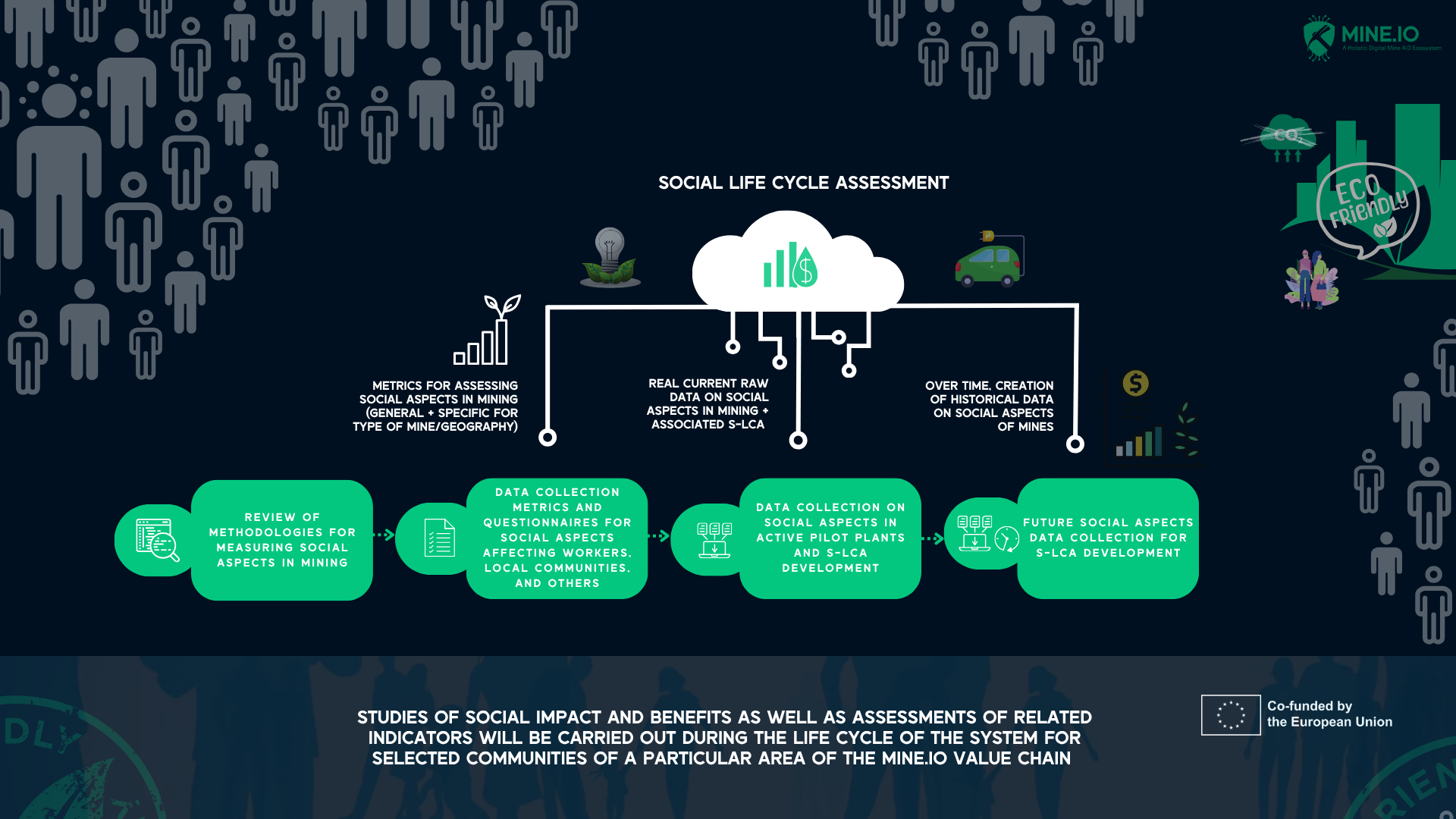
This session explores how the digital transformation of mining—through automation, data-driven solutions, and emerging technologies—affects not only operational performance but also social sustainability.
A Social Life Cycle Assessment (S-LCA) framework developed within the Horizon Europe project Mine.IO is presented to assess social risks and benefits for workers, local communities, and society. The approach combines scenario-based analysis, targeted data collection, and a scoring system to evaluate the social implications of digital mining technologies, demonstrated through a pilot application.
Benefits and Impacts: Integrating social assessment into digital mining enables more responsible and inclusive technological transitions. The proposed approach supports the identification of social risks and benefits, contributing to improved working conditions, stronger community acceptance, and more transparent decision-making.
By embedding social sustainability into innovation processes, this work supports the development of mining systems that are not only more efficient and safer, but also socially acceptable and aligned with long-term sustainability goals.
Focus Area: Standardisation perspective
Key Topics:
- Data interoperability
- Standards influence – Mine.io
- Initiatives & alignment
Highlights: Impact through standardisation, interoperability and safety improvements
Session Description – The Road to Interoperability: Methodology and Standards in Mine.io
Discover the strategic framework behind the technological foundation of Mine.io. In this session, we present our comprehensive methodology for standards and standardization—from our initial survey-based approach to identifying Standards Developing Organizations (SDOs), to our active participation in global working groups. Learn how we ensure seamless data interoperability and process automation in the modern mining landscape. Technical Foundations & Standards Covered:
- Data Interoperability & Lifecycle: Implementation of ISO 10303 (STEP), including AP242 and AP239, for product data exchange and lifecycle management (storing sensor measurements and readings).
- Workflow Automation: Utilizing ISO/IEC 19510 (BPMN v2.0) as the graphical representation and engine for workflow automation within the Mine.io platform.
- Smart Maintenance: Application of ISO 17359:2018 for condition monitoring and fault diagnosis, integrated with the MIMOSA OSA-CBM architecture in our Predictive Maintenance module.
- Connectivity & Modern Systems: Integration of IEEE 802.11, MQTT protocols, and EU Regulations regarding Unmanned Aircraft Vehicles/Systems (UAV/UAS).
- Pioneering New Standards:
- Heavy-Duty Electric Vehicles: Direct contribution to the development of SAE J2954/2 (Wireless Power Transfer) through active committee membership.
- Muography: Initiating standardization efforts for relatively novel muography techniques.
- Ecosystem Collaboration: Leveraging collective experience through the EC-funded Smart EcoMine Hub cluster and our sister projects.
Benefits and Impacts:
- Seamless Integration: By strictly adhering to international standards, Mine.io ensures that complex data from sensors and workflows can be shared across diverse industrial platforms without loss of information.
- Operational Efficiency: The use of standardized predictive maintenance (ISO 17359) and automated workflows (BPMN) allows mining organizations to reduce downtime and optimize resource management through generic, adaptable procedures.
- Future-Proof Innovation: Our active role in shaping new standards for Muography and Wireless Power Transfer (SAE) ensures that the project’s outputs remain compliant and ready for immediate deployment in the evolving regulatory and technological landscape.
Gain insight into how Mine.io doesn’t just adopt existing rules but actively shapes the future of industrial standards through direct participation in international working groups and cross-project collaboration.

Focus Area: Market Analysis & Exploitation
Key Topics:
- Market needs
- KER – Business models
- Barriers & enablers
Highlights: Pathways to industrial uptake, Integrated view across technology, society & market
Session Description
It will outline the exploitation strategy of the MINE.IO project, focusing on the market positioning of Mine.io and how the project’s key exploitable results can transition from research outcomes into market solutions. Additionally, it will showcase the project public repository developed which supports knowledge sharing and long-term innovation in the sector.
Benefits and Impacts: It will demonstrate how the Mine.io project translates its results into practical applications. By outlining the exploitation strategy and market positioning, it will show clear pathways for further development and bringing key innovations into real-world use. It will also highlight the value of the project’s public repository in supporting knowledge sharing and continued innovation in the sector. Overall, it will strengthen stakeholder confidence and contribute to the long-term uptake and impact of the project’s results.

Focus Area: Collaboration with Sister Projects within the Smart EcoMine Hub b
Session Description
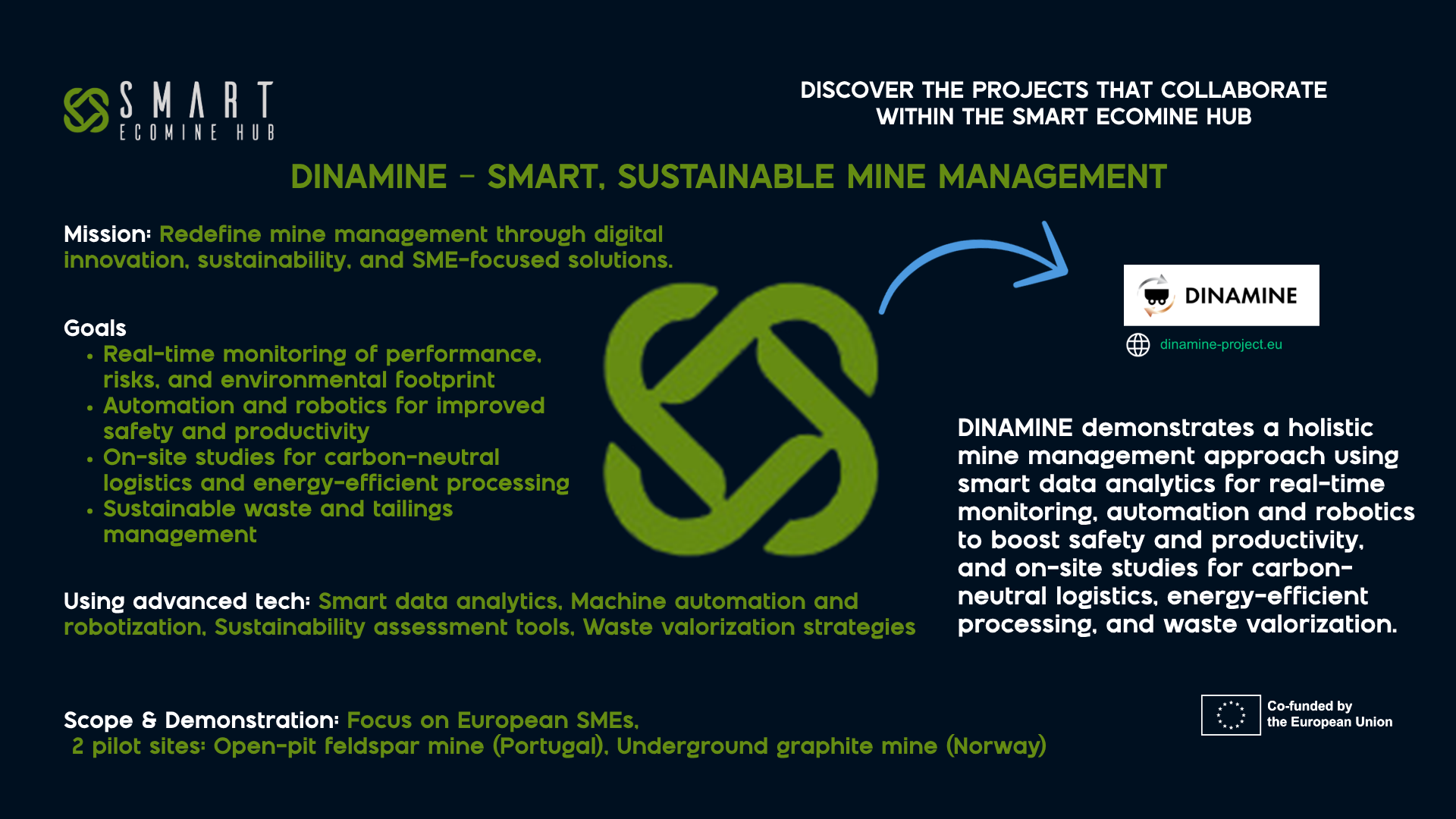
Discover how the Horizon Europe project DINAMINE is transforming the mining value chain through real‑time data analytics, automation and integrated mine management, and how its collaboration with Mine.io within the Smart EcoMine Hub accelerates the adoption of standardized, digitally connected and environmentally responsible mining practices across Europe.
DINAMINE is a Horizon Europe funded project that aims to radically transform and modernise the mining operation value chain. The project demonstrates a smart and integrated mine management approach, relying on data analytics tools for real-time monitoring of the performance, risks, mine productivity and recovery rates, and on new technologies for machine automation and robotization.
DINAMINE key results include:
- the ‘Mine Information Model’, a cloud-based software solution developed to support mining engineers, managers and technicians in holistic management of mine processes. The solution integrates sensor data and existing technologies and can embed specific software modules, covering operational, environmental footprint and economic factors.
- the ‘Semi-automated Jumbo Drill’, a drilling machinery, which is implemented to drill at the tunnel face during mine development operations, using an automated boom guidance system.
The DINAMINE technologies have been validated in an operational setting at project pilot sites in Norway and Portugal.
DINAMINE is further enhancing its impacts, by engaging in the development of strategic partnerships, including with Mine.Io, to advance the European mining industry’s transition towards more standardized and digitally integrated processes.
DINAMINE results will contribute to the acceleration of the uptake of smart mining technologies, particularly among SMEs, strengthening European industrial leadership in mining innovation, increasing access to critical raw materials while improving the sector’s environmental and societal impacts and addressing key barriers such as low digital maturity, low cost-efficiency of operations, and fragmented systems.
Focus Area: Project Wrap-up
Key Topics: Key results and future steps
Highlights: Summary of achievements and outlook beyond the project
A brief farewell to conclude the event, with closing remarks and a thank you to all participants for their involvement.
Meet the speakers

Dr Paula Lima is a Marine Biologist with a specialization in Aquaculture and work experience in Biomedical Engineering and in the last years in Marine Robotics. In 2017, she joined INESC TEC assistant researcher and project manager. Since 2020 she is also a Industry-research liaison officer at TEC4SEA (INESC TEC’s strategy for Marine Science).

Dr Vasileios Protonotarios, MSc is an active researcher/engineer/consultant for the last 24 years in the field of Environmental Technology, Waste Management and Chemical Engineering with special experience and skills in the field of solid waste management (including C&D and Hazardous Waste), recycling, soil remediation, brownfield site/quarries reclamation and risk assessment. He has conducted over 200 Environmental Impact Assessments (EIA), Life Cycle Assessments (LCA) and other Technical Essays for the Industrial Sector, Technical Companies, Public Authorities and individuals. He has 29 publications in peer – reviewed journals and international conferences and some 600 citations. Dr. Protonotarios has participated in more than 20 research projects as main researcher, most of them in the field of waste management, recycling and brownfields restoration. Finally, he possesses a significant experience in laboratory analyses and handling of Special Chemical Laboratory Equipment. In 2015 he founded ENVITERRA P.C. (MME), bringing together specialized engineers and specialist scientists, with a long-term study and scientific career. The main objective is to provide high level Technical Consultancy, Study & Research Services to Industries, Technical Companies, Public Sector, Universities (national and international), NGOs, private individuals etc.

Dr Raul Mollehuara-Canales holds a PhD in Mining Engineering and Mineral Processing (Hydrogeophysics), an MSc in Water Resources Management (Hydrogeology in Mining), and a PEng in Chemical Engineering. He is a researcher at the Oulu Mining School in Finland,currently working at the intersections of hydrogeophysics, hydrogeology, and geochemistry of mining environments. His research focuses on the management of mining waste (including tailings facilities) and mine water from both a risk mitigation and a valorisation perspective for secondary mineral resources in a digitalised framework. Raul has earned He also has over 20 years of expertise in the mining industry, having managed sites, operations and projects involving mineral processing, mine water treatment, mining waste management, tailings facilities, environmental rehabilitation, and mine closure.

Max Friedemann received his Master in mechanical engineering in 2021. Afterwards he started to work as a research assistant at the chair for underground mining methods at TU Freiberg. Since 2021 he is working on digitalization strategies for underground mining. His first project was the development of a decentralized communication and data acquisition system. In 2023 the European funded project Mine.io started in which Max is working as project manager as well as developer for the sub-project “digitization of the drill rig”.

Dimitris Kassimis holds a Diploma in Business Economics, and a MSc in Technologies and Services for Intelligent Information and Communication Systems. He has more than 15 years experience in IT projects for the banking Industry and in nationally-funded projects. Dimitris Kassimis combines business acumen with project management skills, having participated as a project manager in various research projects, including recent projects HEU ONELAB – Medical laboratory technology (Project Reference 101073924), HEU ODYSSEUS – Unobtrusive Technologies for Secure and Seamless Border Crossing for Travel Facilitation (Project Reference 101073910), and HEU URBREATH – Nature-based Solution for Climate Neutrality improvement (Project Reference 101139711).

Mario Arancibia is an experienced geologist with a strong background in mineral deposits and project development, specializing in copper, gold and base metal mineral exploration across diverse geological scenarios such as Chile, Perú, Argentina, Panama and Canada. His career spans over 17 years in key roles with major mining companies where he led exploration and drilling programs, mine support, and technological implementations. Currently part of Muon Solutions Oy in Finland, Mario leads the development of innovative geoscience projects and provides technical expertise in applied technologies.

Dr Cristina Sáez Blázquez – Technical Mining Engineer and Engineer in Mining and Energy Technology from the University of Salamanca (2014), MSc in Mining Engineering and Energy Resources from the University of León (2018). She obtained her PhD with International Mention from the University of Salamanca in 2019 with a thesis on new techniques and applications of geothermal energy. During her research career she held different competitive contracts and awards related to renewable energy and mining innovation. She is co-author of more than 70 scientific publications and conference proceedings and has participated in the development of energy calculation patents. She has also completed research stays at the Universities of Turin and Padua. She is currently a Ramón y Cajal researcher at the University of Salamanca, working in the energy branch of the TIDOP Research Group.
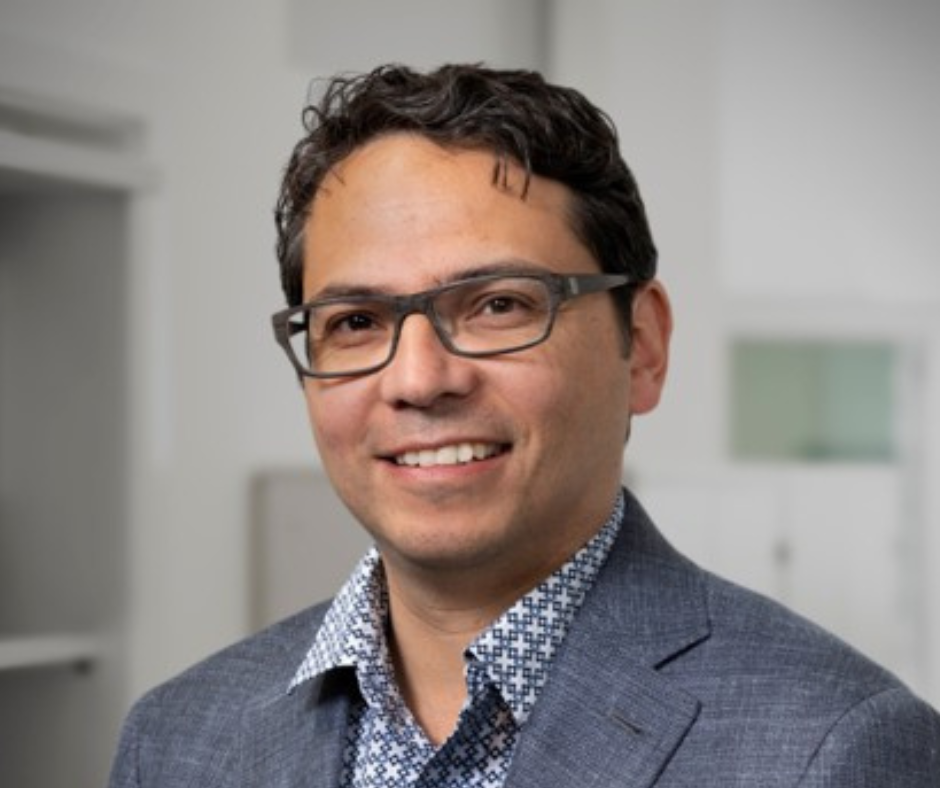
Dr Sergio Perez holds a PhD in Civil Engineering and Transportation Infrastructure and brings more than 20 years of experience in urban mobility infrastructure and pavement engineering as a developer, researcher, and designer, with the past 15 years focused on electric mobility infrastructure and inductive wireless charging systems for electric vehicles, from concept development to real-world implementation, including contributions to patented solutions and next-generation Electric Road Systems. Before joining industry, Sergio worked in pavement research at BRRC and LCPC and collaborated with academic institutions in Europe and Latin America. Currently, Sergio is Business Development Manager for e-Mobility at ENRX in Germany, where he drives the development of Electric Road Systems and wireless charging solutions, building strategic partnerships and advancing sustainable mobility solutions for urban and highway applications. In 2023, he was also appointed Project Manager for ENRX within the European-funded Mine.io project, contributing to the development of digitalization and electrification solutions for mining applications.
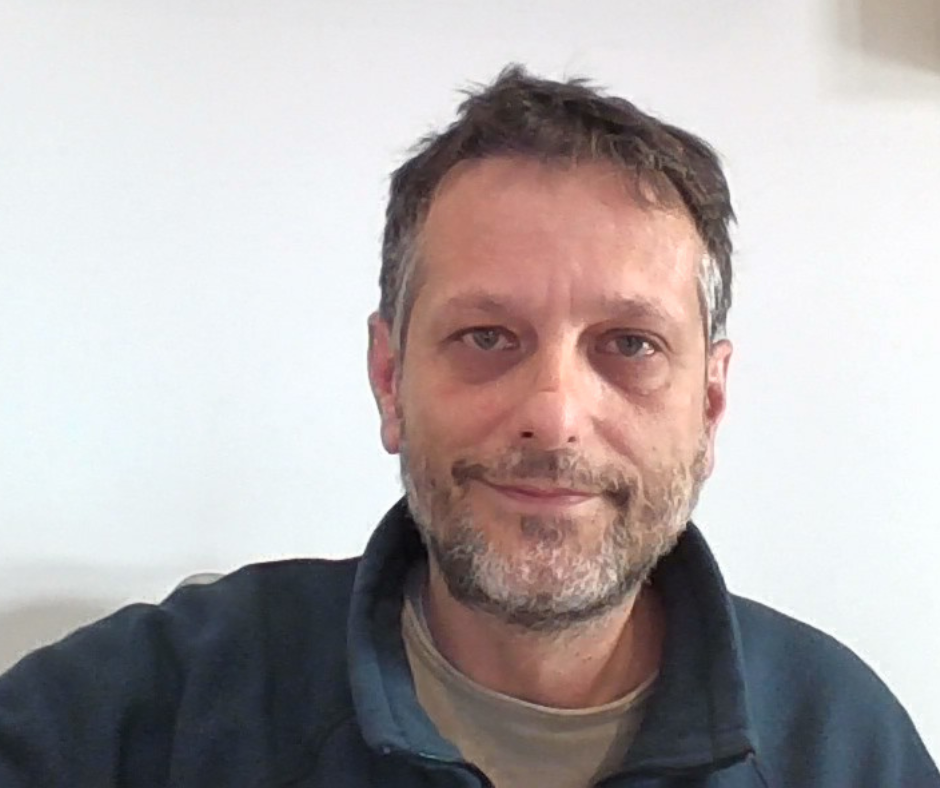
Dr Georgios S. Kouzas (Male) holds a MSc in Electrical and Computer Engineer (1999) and a PhD diploma in Computer Science (2007) both from the National Technical University of Athens. From 2008 until 2013, he served at the University of the Aegean as visiting Lecturer in the Department of Financial and Management Engineering. He has been working as a freelancer since 2001 as software engineer and technical manager. During his 25 years career George Kouzas has acquired deep knowledge and profound experience in software development engineering and IoT infrastructures. He has participated in various research projects that focus on machine learning and sensor networks (IoT). His extensive research activity on computer science and information technology is reflected in his more than 20 publications in international journals and conferences.
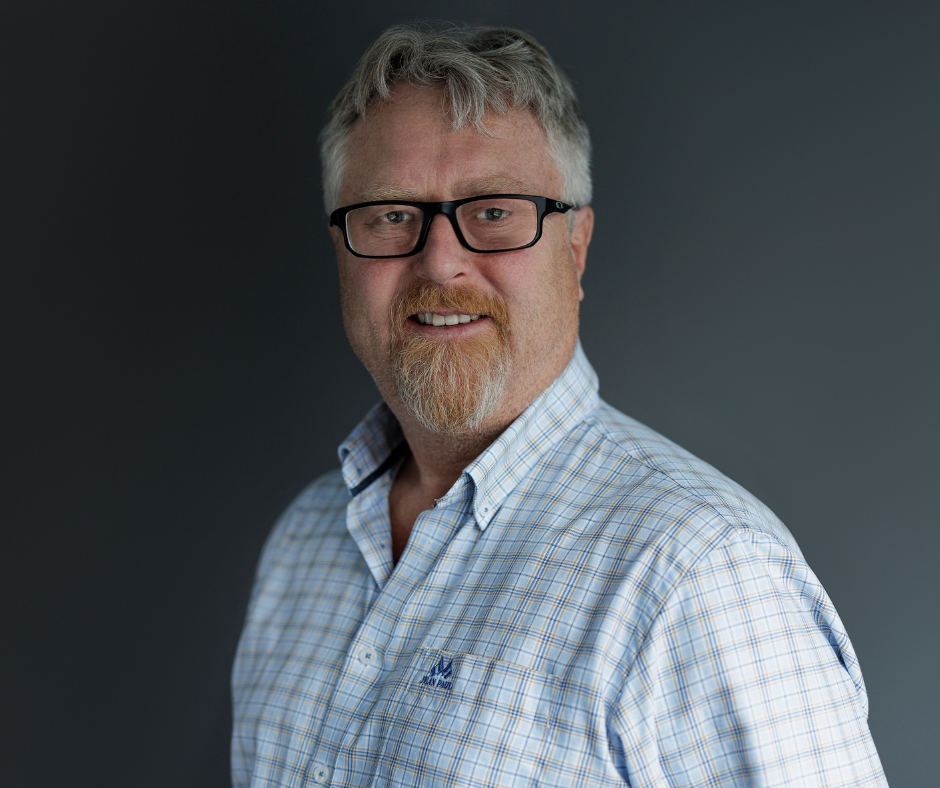
Pål Huse holds a MSc (ME) from Chalmers University of Technology (SE) and has been working at Jotne for more than 30 years, a Norwegian SME based in Oslo, Norway. Jotne Connect specializes in Open Standards-based Digital Twin and Data Management, and in related standardization processes. JOTNE has been involved in standards development for decades, especially in the ISO 10303 family of standards
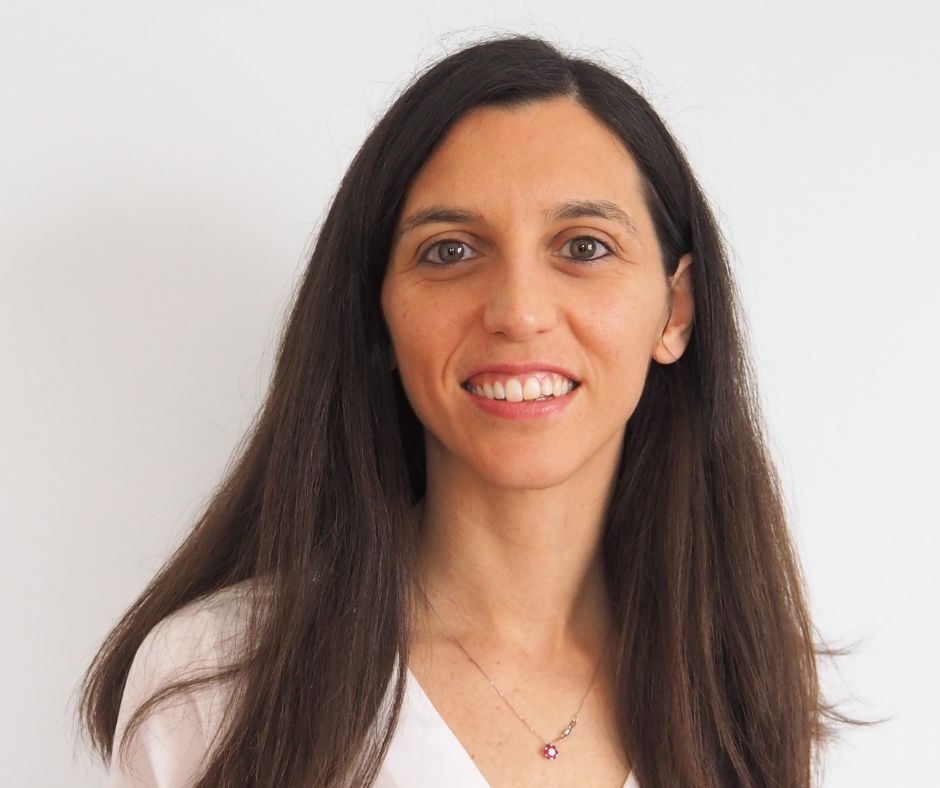
Dr Isabella Bianco – Assistant Professor in Environmental Engineering at Politecnico di Torino. She holds a PhD in Environmental Engineering (2018) from the same institution and is part of the Life Cycle Assessment (LCA) research group at the Department of Environment, Land and Infrastructure Engineering (DIATI).
Her work focuses on the environmental and social sustainability of processes and products, including both mature systems and emerging technologies. She is involved in industry-funded projects as well as national and European research initiatives.
She has gained experience in several sectors, including mining, automotive, and textiles. She is the author of scientific publications and outreach contributions, as well as conference presentations.
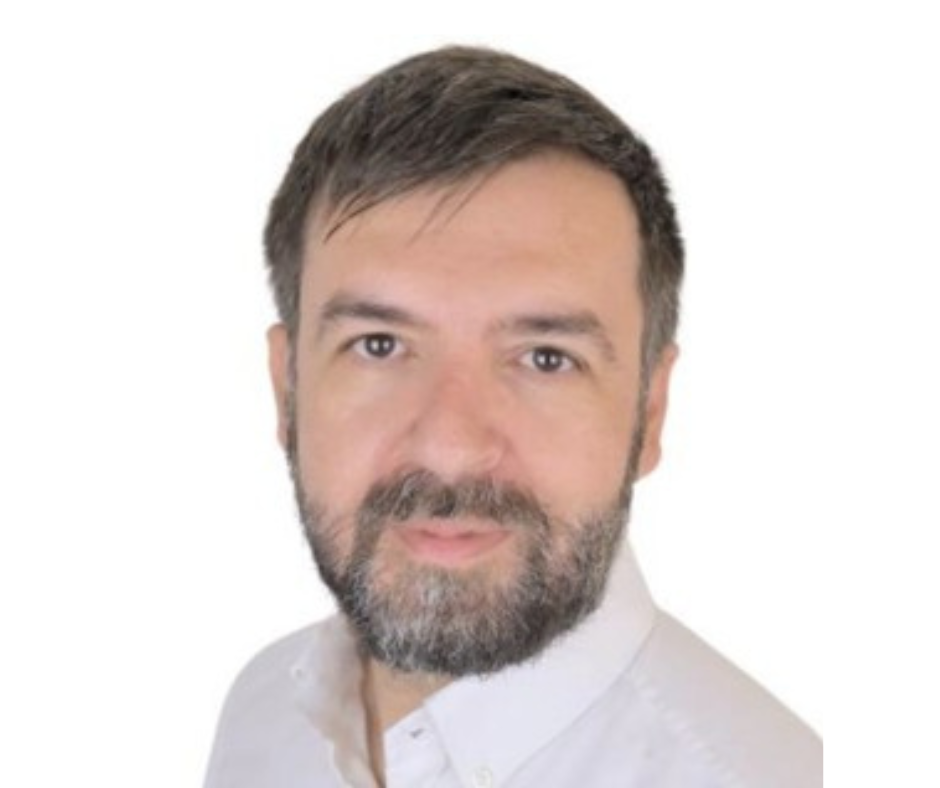
Aristotelis Zompras is a science and technology professional specializing in innovation, UAV systems, and Digital Twin technologies.He holds a degree in Electrical Engineering and Computer Science from the Polytechnic School of Patras.With expertise spanning advanced software architecture, IIoT, predictive analytics, and process simulation, he has led projects in predictive maintenance,border surveillance, waste management, and building services. He is working as a Senior Project Manager at Acceligence Ltd, an SME specializing in the design, development, system integration, and verification of custom-made robotics solutions, with a particular focus on Unmanned Aerial Vehicles (UAVs).
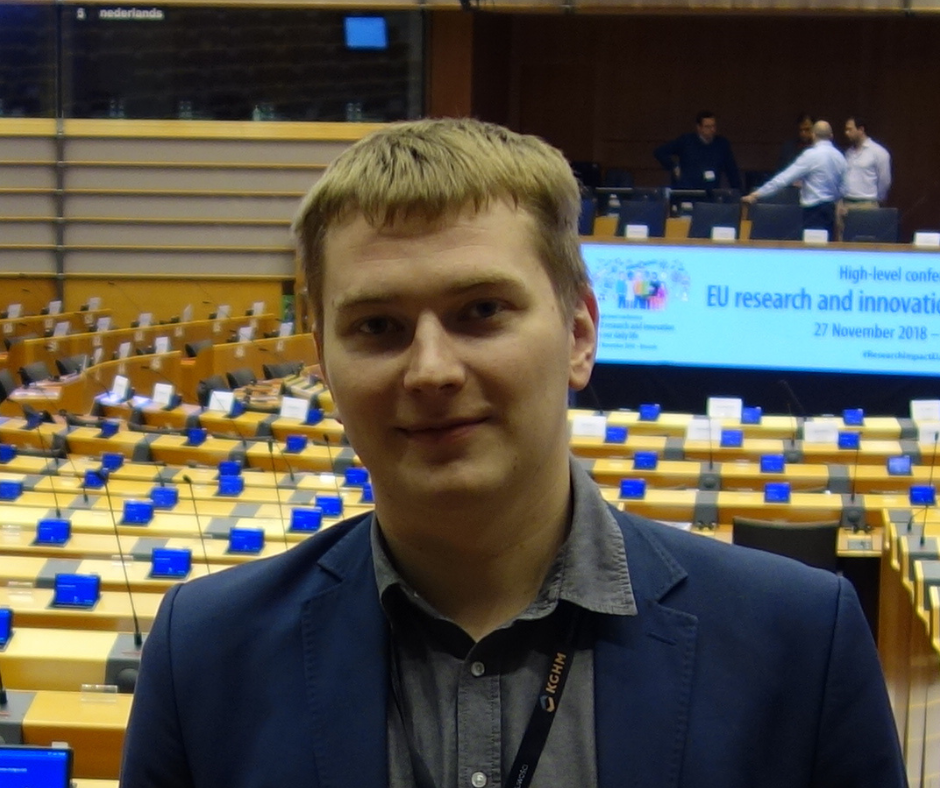
Wojciech Anacki – Master of Science in Underground Mining, graduate of the AGH University of Science and Technology in Kraków. Employed as an engineer at KGHM Polska Miedź S.A. Head Office, where he is responsible for the preparation and implementation of research, development and investment initiatives in mining, processing and related industries.
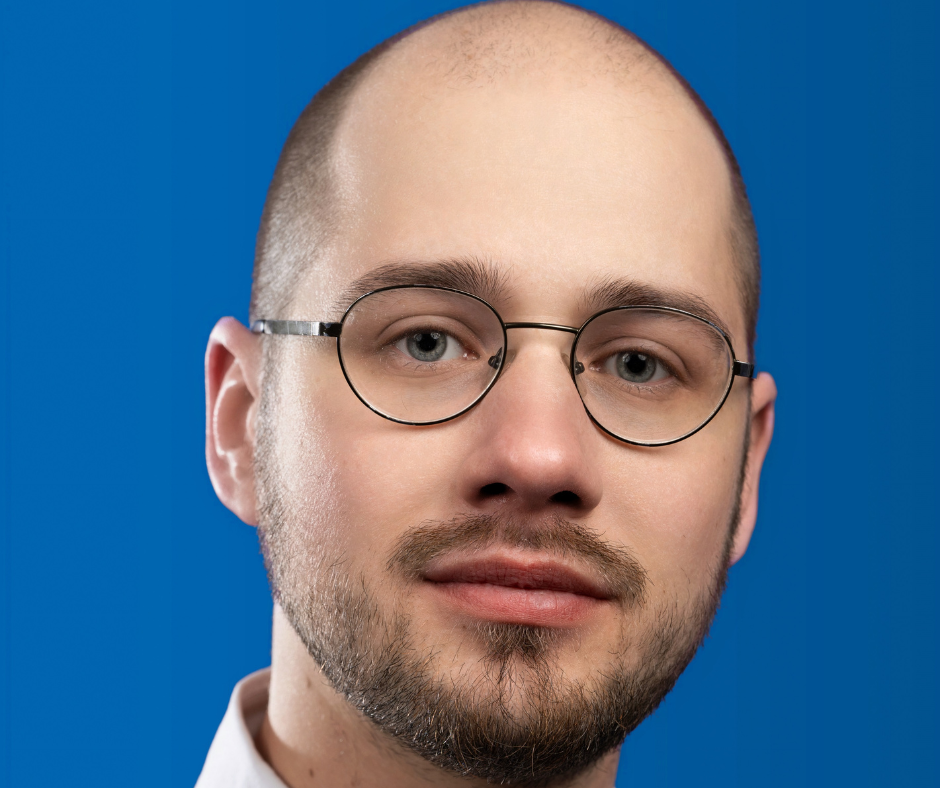
Paul Schönherr – studied in the field of materials science and materials technology at the TU Bergakademie Freiberg and received his degree in engineering at the Foundry Institute in 2021. Afterwards, he moved to the Institute of Nonferrous Metallurgy and Purest Materials as a doctoral student to work on his PhD in the field of Nonferrous Metallurgy.

Prof. Dr Eng. Alexandros Charitos – studied mechanical engineering at the National Technical University of Athens. He received his PhD in 2013 in the field of energy process engineering. From 2011 to 2018 he worked at Outotec GmbH & Co.KG in Oberusel. In 2019, he hold the position of Assistant Professor at McGill University in Canada and hold an adjunct professorship at the same university until 2023. Since March 2020 he holds the professorship for high temperature processes in metallurgy at the TU Bergakademie Freiberg. He is the director of the Institute of Nonferrous Metallurgy and Purest Materials. His field of expertise is energy and metallurgical process engineering.

Aymen Sarjam is an Innovation Consultant at PNO Innovation, leading European grants and innovation consultancy with more than 35 years of experience in the successful development and deployment of research, development, and investment projects. Leveraging his expertise in sustainability policy, as well as European energy policy and regulation, he supports industry leaders and research organisations in navigating the complex landscape of public funding opportunities. He coordinates the transformation of ambitious and innovative ideas into well-structured, fundable projects, while also guiding the development of impactful market deployment strategies that deliver economic, environmental, and societal value.
Learn more about the MINE.IO project
Let’s dive into the world of MINE.IO and explore together the exciting innovations we’re working on
2024 Workshop Edition Recap
The Sustainable Mining Practices in the Future workshop, part of the MINE.IO project, took place on November 21, 2024, in Luleå, Sweden. The event gathered industry experts, technology providers, researchers, and business leaders to explore innovative solutions for more sustainable and efficient mining.
Participants exchanged insights on new technologies, automation, and digitalization, sharing strategies to improve eco-efficiency, safety, and sustainability in mining operations. The workshop served as a key platform for collaboration, supporting the future of responsible mining.
Check out our 2024 WORKSHOP summary
Before the next workshop, take some time to review what we discussed about the project during the previous edition.
2023 Workshop Edition Recap
The inaugural MINE.IO Workshop, held on October 20, 2023, was a resounding success. It brought together over 60 participants from around the globe, including end users, industry representatives, technology service providers, scientists, and business managers in the mining sector. The discussions centered on pressing challenges such as sustainability, safety, automation, and digitalization in mining.
Our participants engaged deeply with the presented pilots, making the workshop a significant platform for sharing knowledge and innovative solutions. The event highlighted the potential of Industry 4.0 technologies, including AI, to foster safer, more efficient, and sustainable mining operations, thereby setting a benchmark for future practices in the industry
Check out our 2023 WORKSHOP summary
Before the next workshop, take some time to review what we discussed about the project during the previous edition.
Read more in our Awareness Campaign
Mine.io Final Event Recap – Conclusions & Outlook: Challenges and Opportunities Beyond the Project
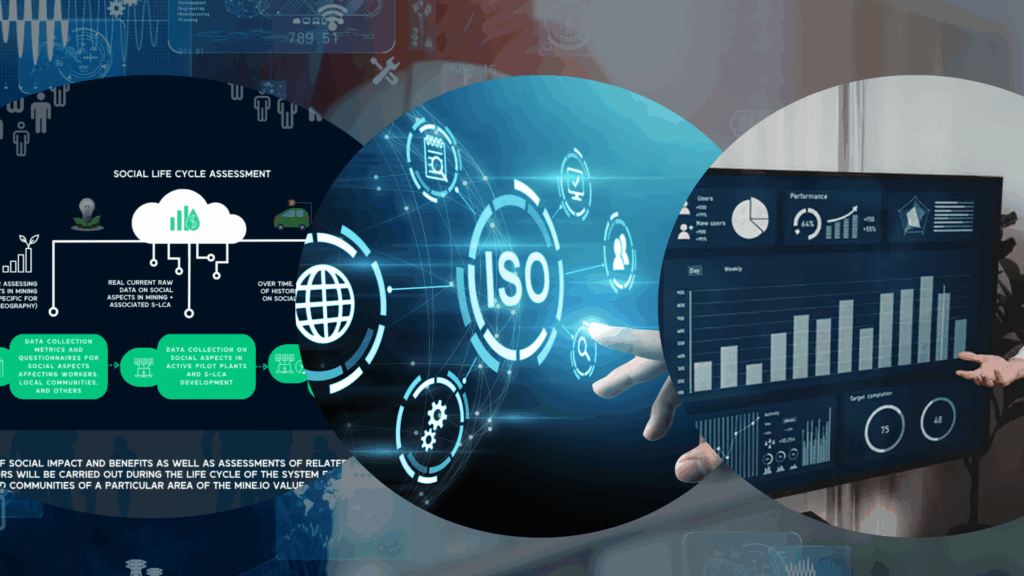
Scaling Digital Mining – Social, Standardisation and Market Pathways to Adoption
Leave a Reply