
Environmental Management – Reliable Surveillance Operations – summary session

Dr Raul Mollehuara Canales (PhD-MSc-PEng(Chem)-PMI PMP®) is a Researcher at Oulu Mining School – University of Oulu, Finland. With over 20 years of experience in the mining industry in Peru and Australia, he has worked on Operations and Projects involving mineral processing, mine water treatment, mining waste management, environmental rehabilitation, and mine closure. His current R&D activities include developing innovative systems for characterising and monitoring low-grade ore and mine side-streams (incl. tailings facilities) applying digitalised geophysics and multi-source data fusion.
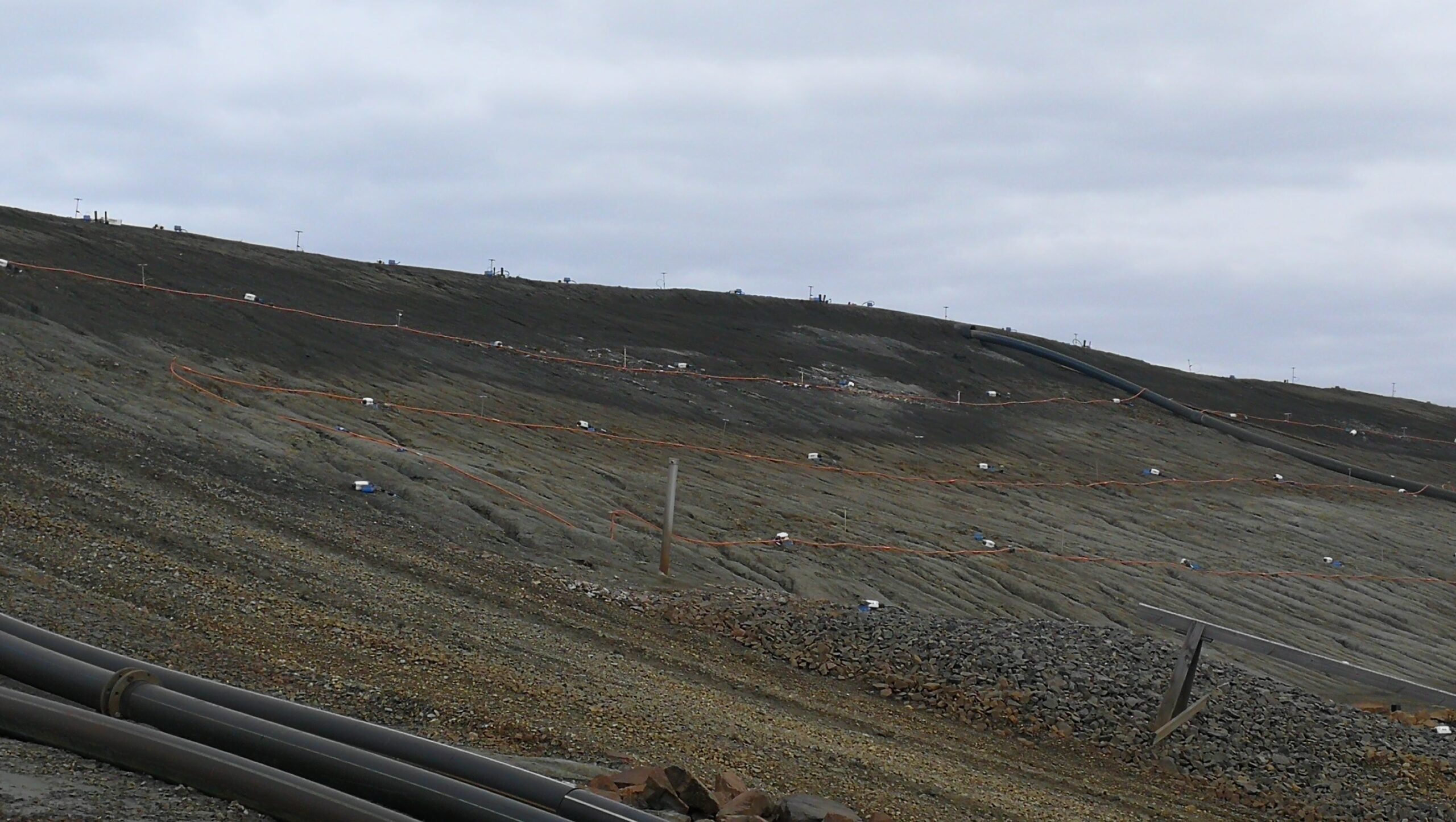
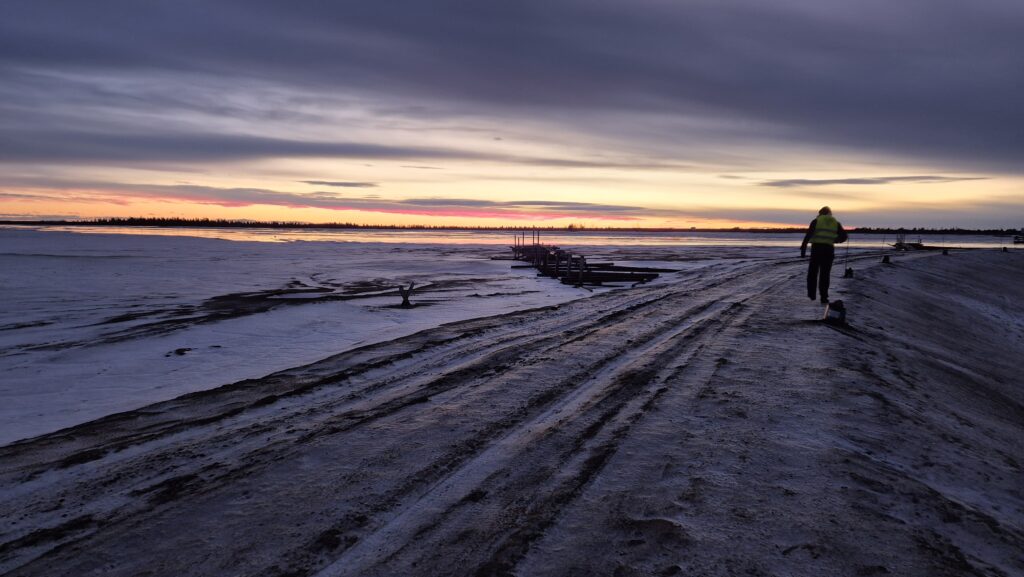
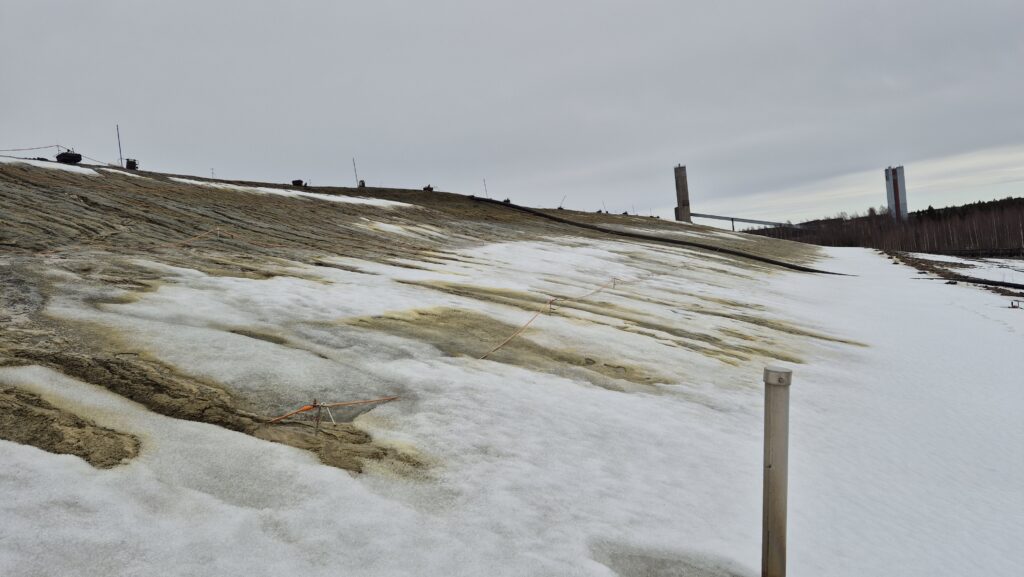
As with any other industry, in mining, operations need supervision, control and monitoring throughout the industry’s value chain. One of the critical areas in mining where it is essential to monitor structural health and performance, is that of tailings storage facilities. Oulu Mining School at the University of Oulu is currently in the process of developing a multi-source geophysical data fusion framework for monitoring, assessment and management of the structural embankment in tailings facilities as part of the MINE.IO project.
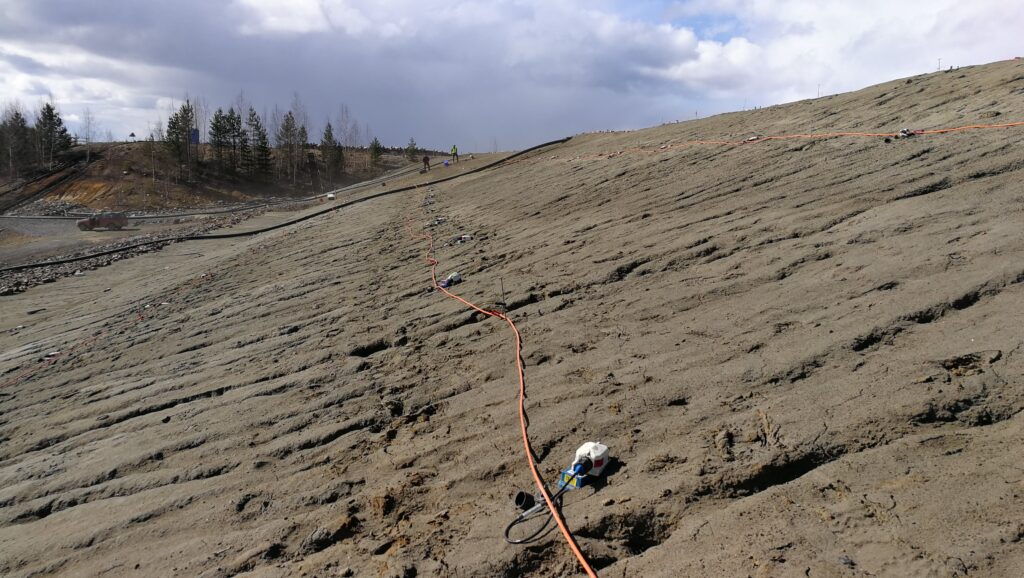
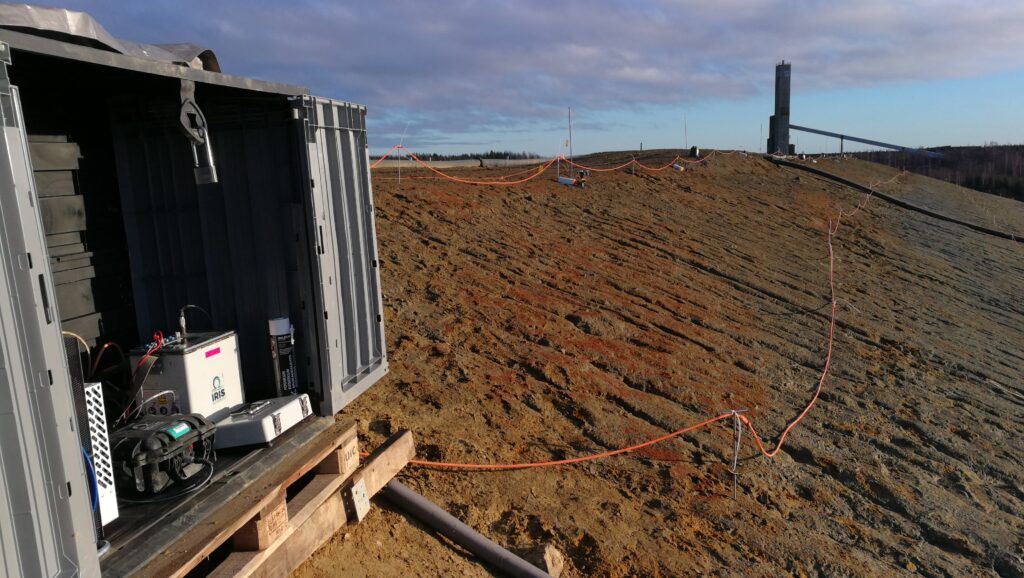
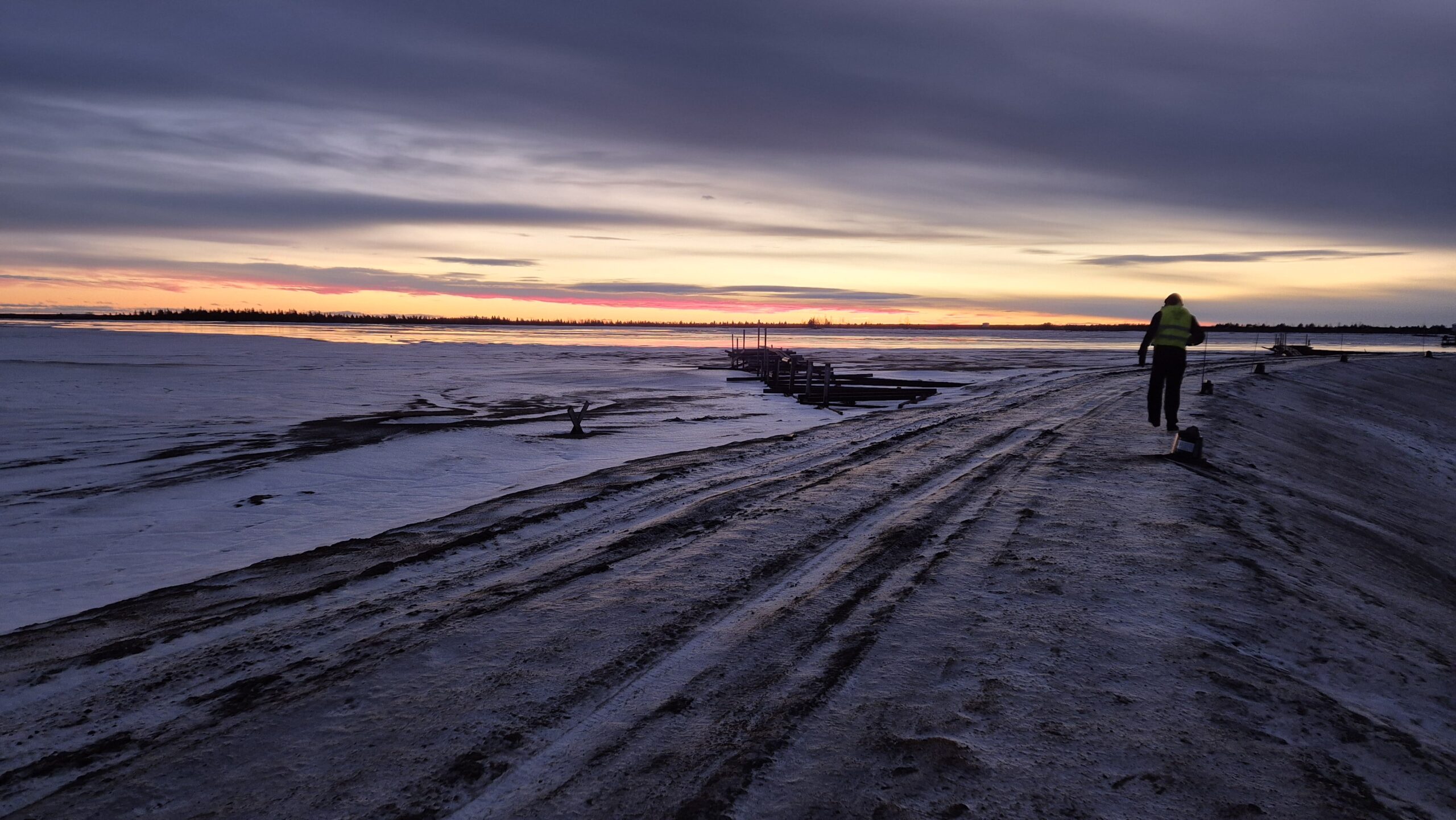
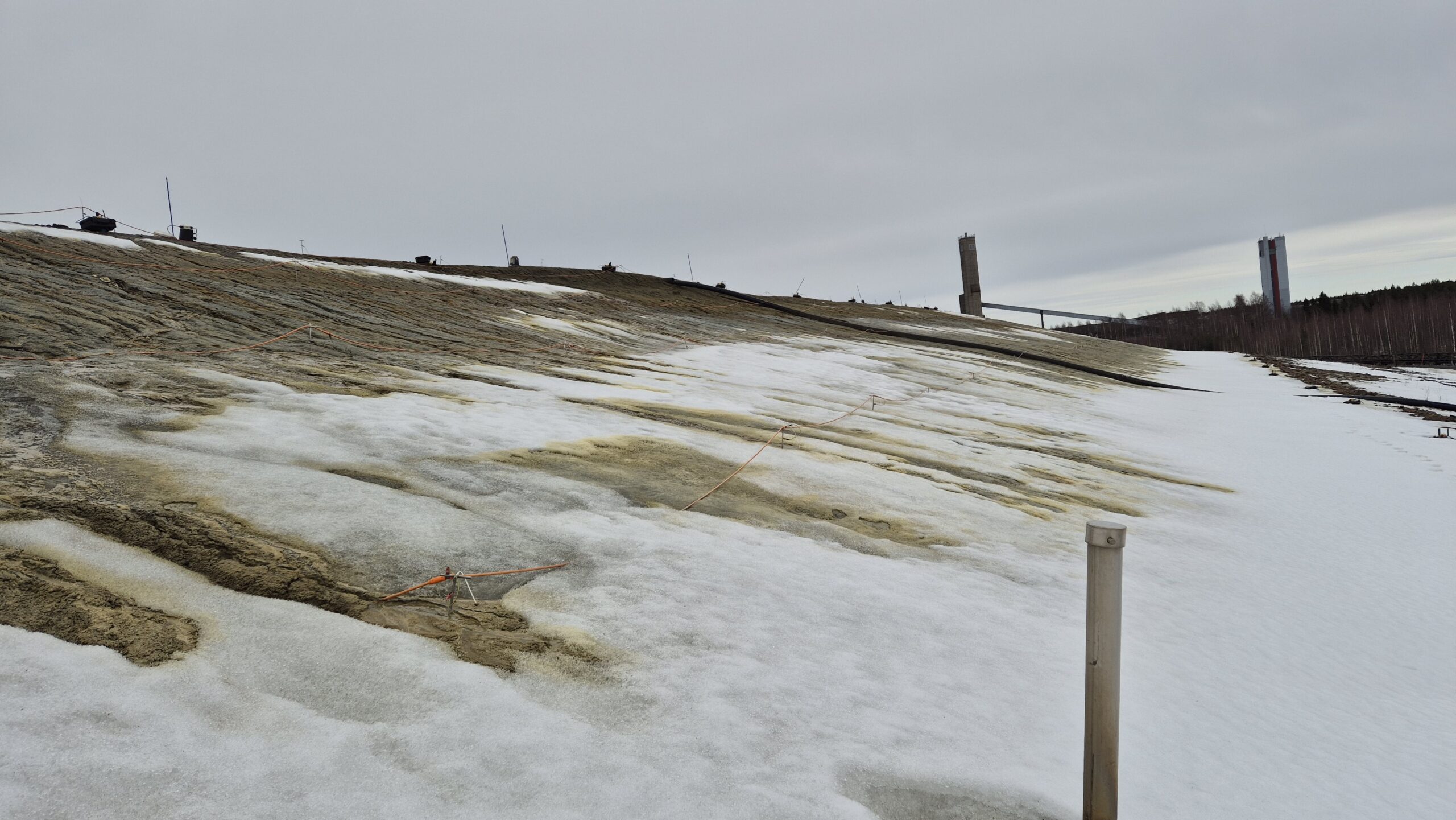
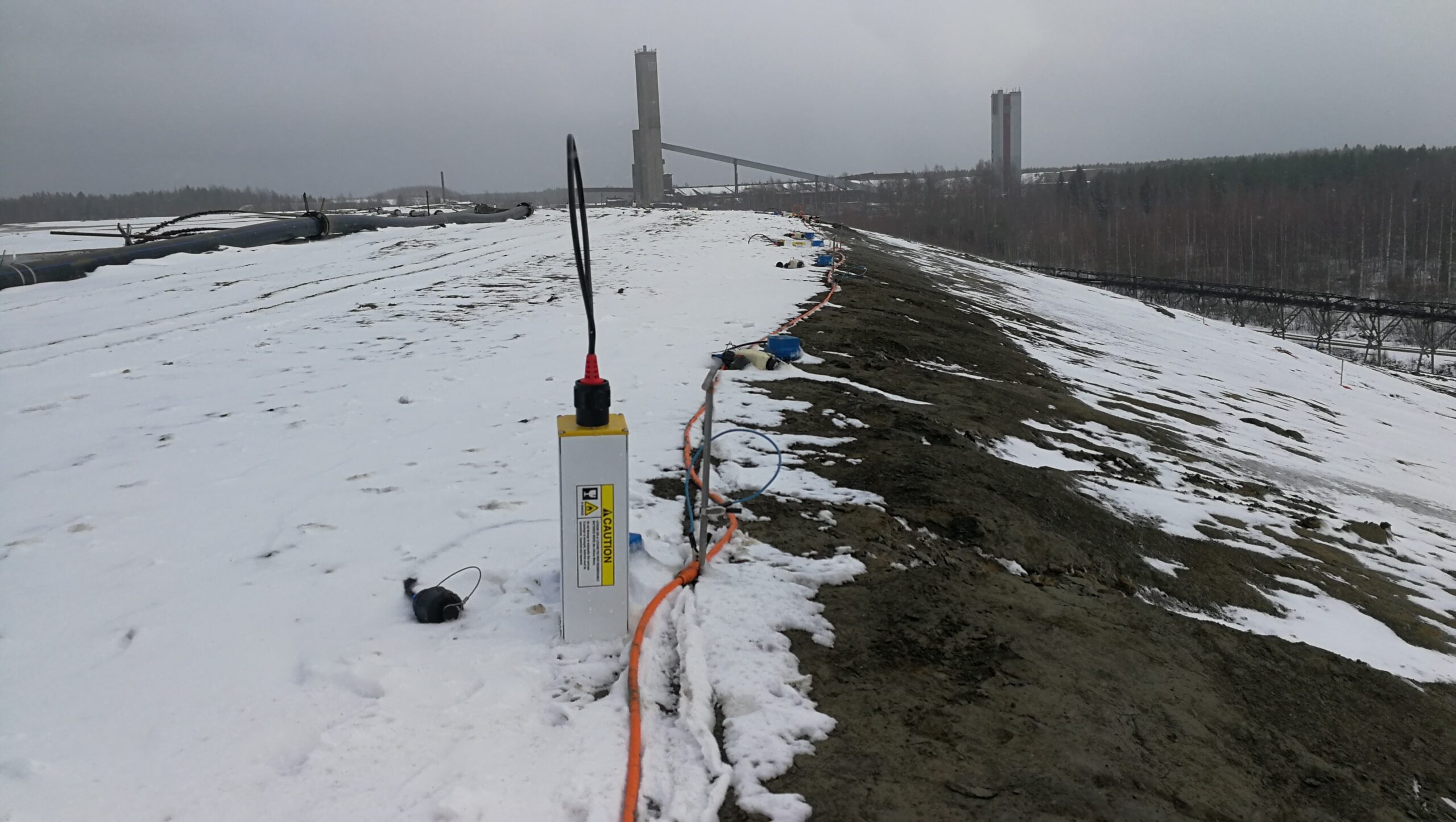
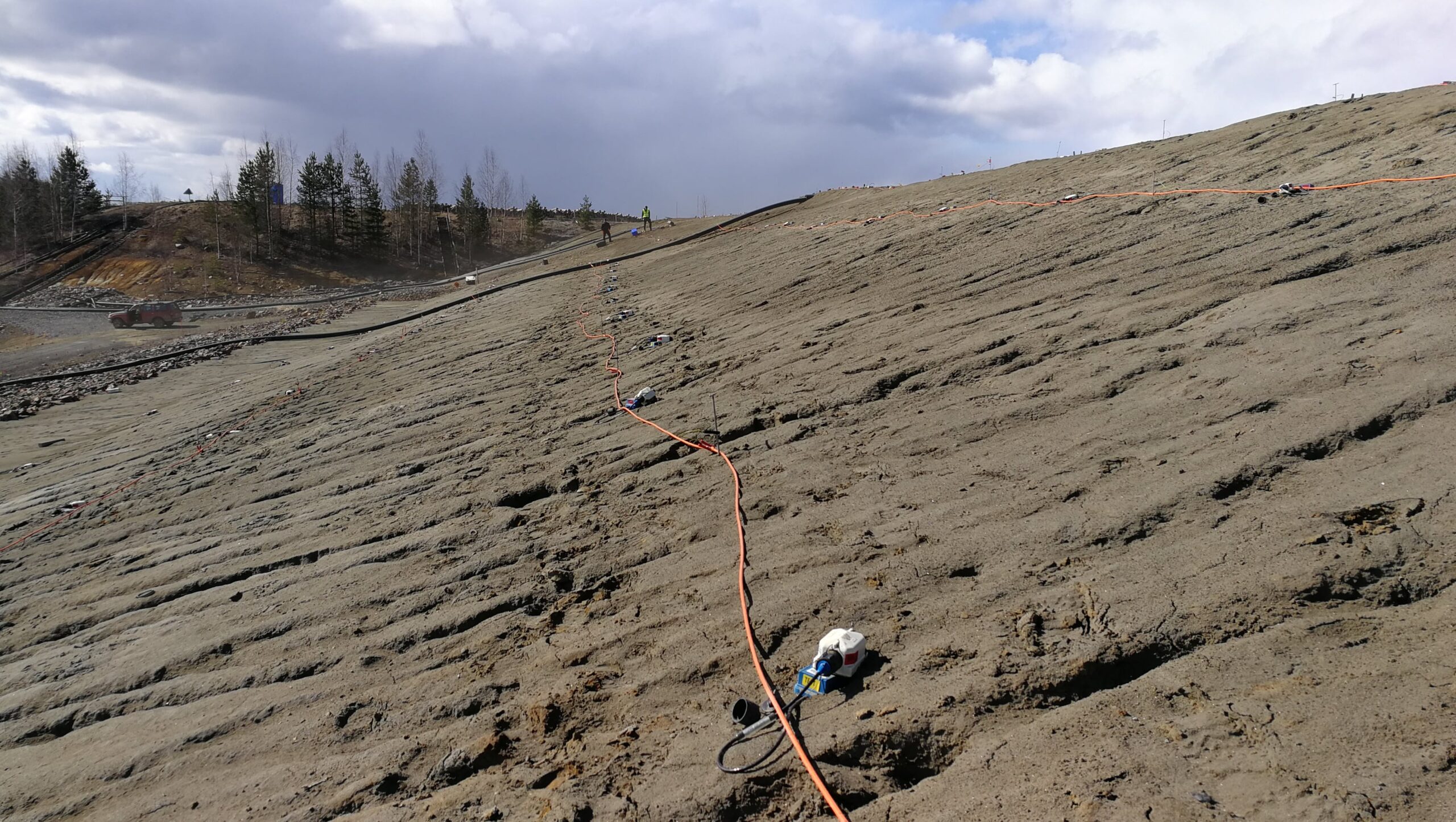
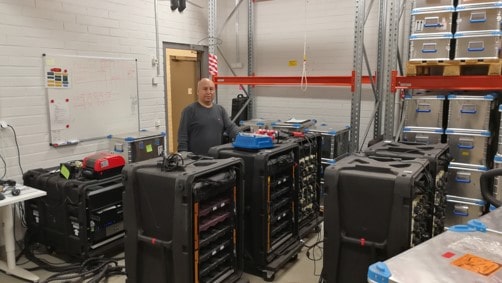
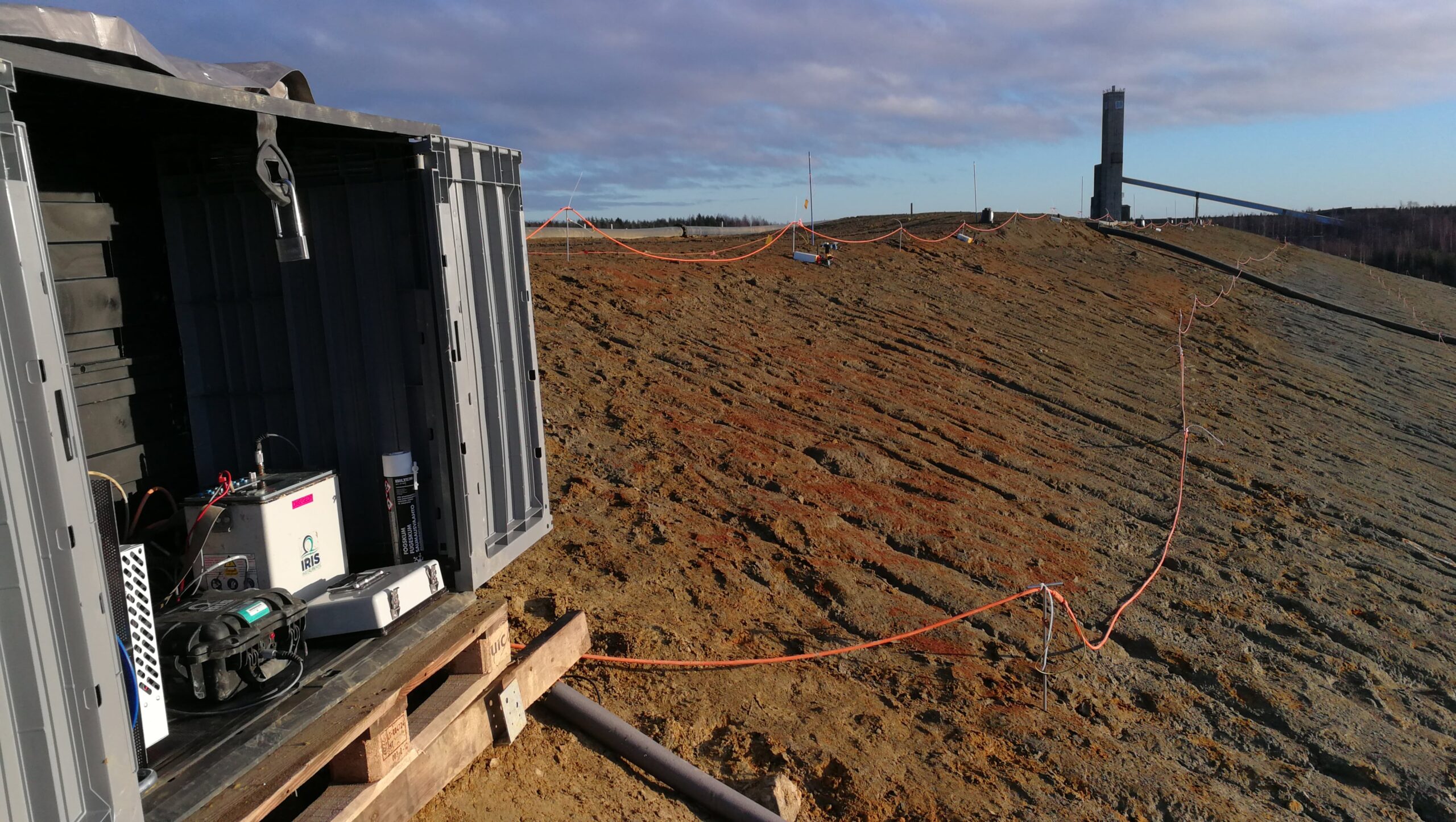
For this purpose, the technological proposition includes:
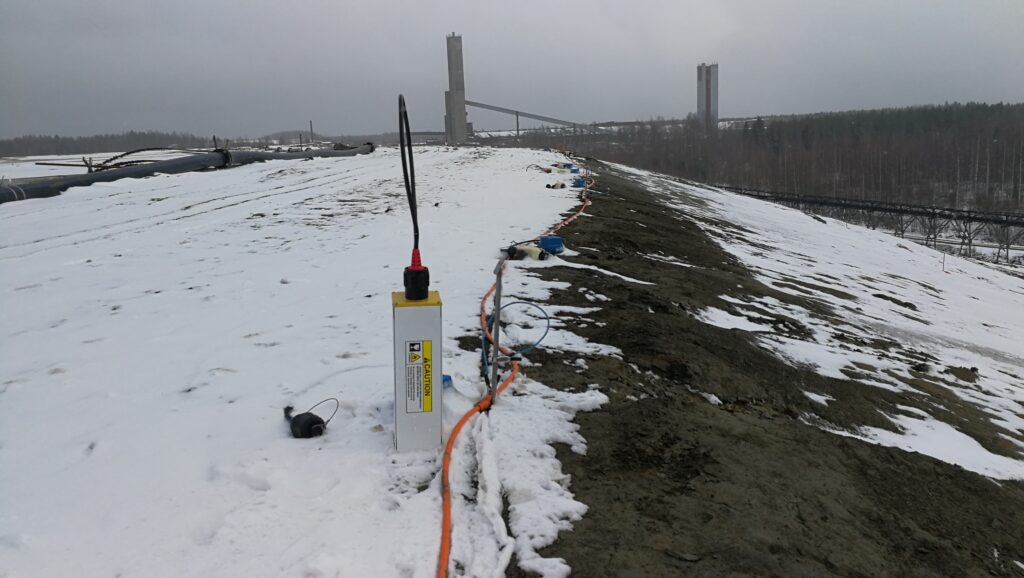
- (i) the development of the geophysical data acquisition and the workflow to transmit field data from sensors (electrodes and geophones) to a cloud platform autonomously.
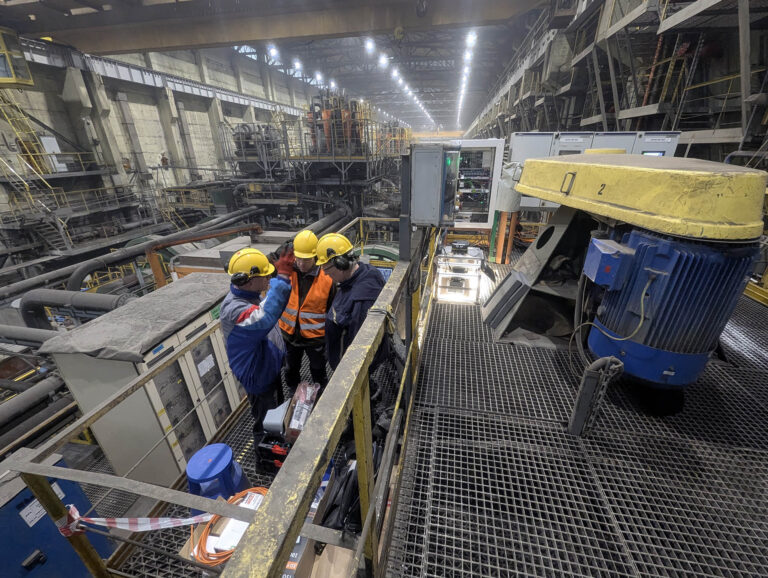
- (ii) the deployment of geophysical equipment consisting of electrical resistivity imaging and passive seismic imaging in an industrial environment (pilot).
- (iii)the development of the digitalised framework to serve as the platform for the workflows of processing, modelling and visualisation.
- (iv) further data fusion and translation of datasets and models into actionable information regarding the hydrogeological and elastic conditions of the embankment.
The goal of the project is to develop a robust monitoring system that can provide information about parameters that are relevant to the structures of embankments in tailings facilities. Such information reduces the uncertainty about the structural health of these critical infrastructures, gives operators and stakeholders confidence, and reduces the negative perceptions that communities have about the activity in mining and the landscape posed by tailings facilities. This is also beneficial to the mining industry in general, since information flow is more frequent on an automated platform, which can improve collaboration and, as a result, efficiency and productivity. For stakeholders such as regulatory authorities and communities, monitoring and sharing of information on a digitalized platform promotes transparency and enables trust in the industry.
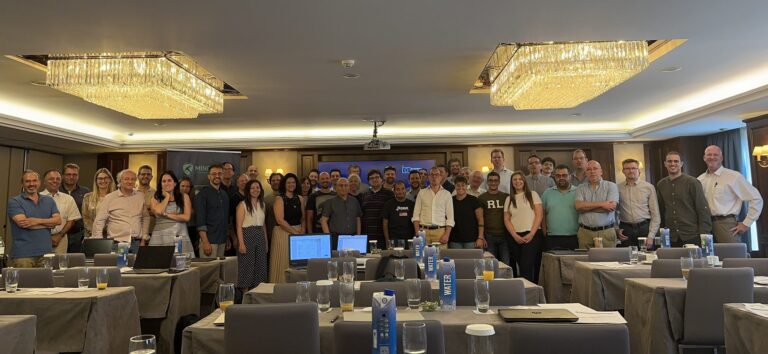
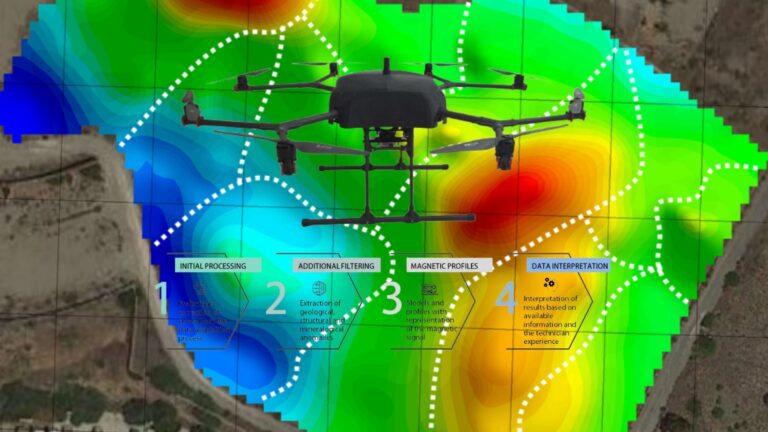
During the 2nd MINE.IO Workshop, focus questions were used to gauge the general audience’s reaction: (i) Regarding the importance of improving environmental monitoring in mining via reliable systems, it was clear that the priorities were oriented toward public health and safety, environmental protection and compliance, risk mitigation, early failure detection, and the mining industry’s sustainability. The audience, on the other hand, placed a lower priority on aspects such as financial liability mitigation, operational efficiency, increased transparency and community trust. (ii) In terms of the benefits of digitalized monitoring and surveillance systems, the opinions ranged from high to low importance on the following mining areas: environmental risk management, emergency preparedness and response, environmental impact assessments, environment protection in mining, community engagement and development. (iii) When asked about the emerging technologies that will drive industry adoption in the near future, the audience responded that drone-based imaging (both optic and spectral) will be embraced more quickly. Geophysics with electrical, electromagnetic, passive seismics belong to the second group and have potential to be adopted by the industry in the near future. Satellite-based InSAR and hyperspectral imaging are in the third group.
The audience’s opinions of technology adoption and goal priorities may differ depending on the focus groups and forum specialties. Those technologies and goal priorities that are ranked low may not be as visible and evident to the audience as those groups directly related to the impact of these infrastructures in case of failure. In terms of broad understanding and consensus among key stakeholders, including mining companies, governments, and communities, all of these goal priorities and emerging technologies are valued and promoted through initiatives and standards such as the Global Industry Standard on Tailings Management.
Let us know what you think in the comments and share your thoughts with us!



Leave a Reply